The introduction of the new 1500m Laser Length Measurement Sensor marked a significant advancement in precision measurement technology, leveraging Time-of-Flight (ToF) principles and a robust LiDAR system operating at a remarkable 1000Hz sampling rate. This innovative sensor is designed to enhance accuracy and efficiency across various applications, from construction and engineering to autonomous systems and environmental monitoring. By offering unparalleled measurement capabilities in diverse conditions, the sensor not only meets the high demands of today's industries but also sets the stage for future developments in laser measurement technology. This article will explore the features, applications, and implications of this cutting-edge sensor, highlighting its role in shaping the future of precision measurement.
Overview of the 1500m Laser Length Measurement Sensor
Introduction to Laser Length Measurement
Laser length measurement sensors are the unsung heroes of precision measurement, transforming light into data with the speed of a superhero. With the new 1500m Laser Length Measurement Sensor, powered by Time-of-Flight (ToF) technology and a blazing 1000Hz refresh rate, achieving remarkable accuracy across vast distances has never been easier. Say goodbye to the days of guessing and hello to laser-sharp precision!
Importance of Accurate Measurement Technologies
Accurate measurement technologies aren’t just nice to have; they’re the backbone of various industries. Whether you’re laying the foundation for a skyscraper, measuring contours for agricultural fields, or even doing home renovations, the right measurements can mean the difference between a job well done and a disaster waiting to happen. In a world where precision is key, having reliable tools can save time, reduce costs, and ultimately elevate the quality of work.
Technology Behind Time-of-Flight (ToF) Measurement
Principles of Time-of-Flight Technology
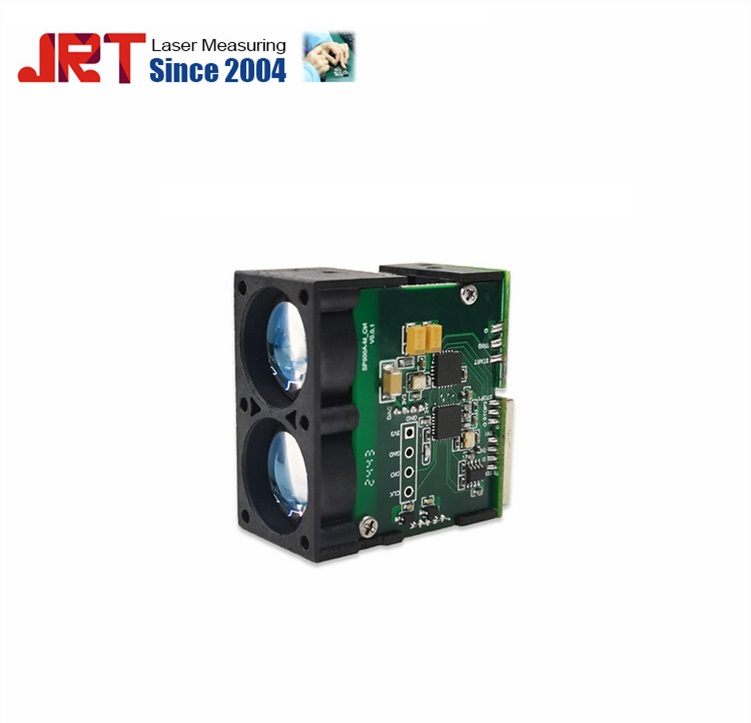
Time-of-Flight technology is like a game of ping pong with lasers. The sensor emits a beam of light that travels to an object and bounces back, and by measuring how long it takes for the light to return, we can calculate the distance with pinpoint accuracy. Think of it as an ultra-fast stopwatch for light! Simple yet effective, this principle underpins the capabilities of the sensor, allowing for measurements up to a whopping 1500 meters.
How ToF Enhances Measurement Precision
With ToF, every millisecond counts. The rapid firing of laser pulses at 1000Hz means that your measurements are refreshingly responsive and incredibly precise. This speed not only improves the data collection process but also minimizes the risk of errors often associated with slower technologies. When you need accurate, real-time information, ToF technology ensures you’re always ahead of the curve—or, at least, the distance.
Key Features and Specifications
Measurement Range and Accuracy
The 1500m Laser Length Measurement Sensor boasts a mind-blowing measurement range, reaching up to 1500 meters without breaking a sweat. But it's not just about the distance; the accuracy is on point, with margins of error so small you’ll need a microscope to find them. This combo makes it perfect for both humble DIY projects and grand engineering feats.
Environmental Durability and Design
Designed to withstand the elements, this sensor is built like a tank—if tanks were sleek and stylish. Its robust construction ensures reliable performance in a range of environments, from the dusty heights of construction sites to the unpredictable weather of outdoor surveying. Rain or shine, this little gadget won’t let you down.
Connectivity and Compatibility Options
In today’s tech landscape, compatibility is king, and this sensor doesn’t disappoint. With a range of connectivity options including Bluetooth and USB, it seamlessly integrates into existing systems. Whether you’re syncing data to your laptop or sending it to a cloud-based platform, this sensor plays nice with others, making your tech life just a little bit easier.
Applications of LiDAR in Various Industries
Construction and Civil Engineering
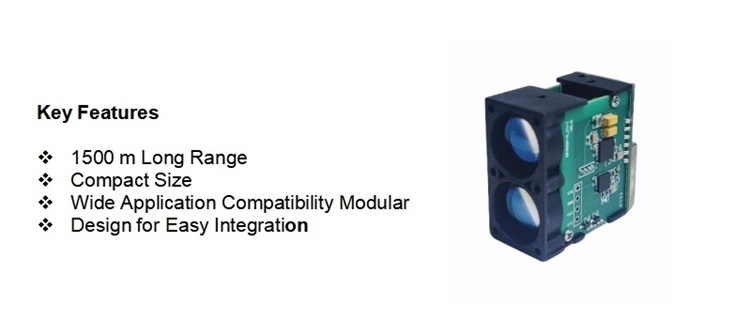
In the construction world, precision is everything, and LiDAR technology offers just that. From surveying land to monitoring structural integrity, LiDAR systems are critical for ensuring projects are completed on time and within budget. Streamlined workflows and enhanced safety protocols are just a few benefits that come from using this tech wizardry on-site.
Agriculture and Environmental Monitoring
Farmers and environmentalists alike are harnessing the powers of LiDAR for precision agriculture and monitoring ecosystems. By providing detailed topographic maps and assessing land use, this technology helps with everything from optimizing crop yields to managing natural resources sustainably. It’s like giving Mother Nature a high-tech pair of binoculars!
Transportation and Autonomous Vehicles
When it comes to the fast lane, LiDAR technology is the ultimate copilot. In the transportation sector, it plays a crucial role in the development of autonomous vehicles, providing real-time data for navigation and obstacle detection. With LiDAR, smart vehicles can "see" their environment much like humans do, paving the way for safer roads and smarter traffic systems. Buckle up; the future is on the way!
Comparison with Existing Measurement Solutions
Traditional Measurement Methods
Traditional measurement methods often rely on tools like tape measures, laser distance meters, or even the trusty old surveyor's wheel. While these methods can be accurate, they come with a host of drawbacks: they’re labor-intensive, time-consuming, and often prone to human error. Plus, let’s face it—who hasn’t accidentally overextended their tape measure and watched in horror as the end flopped around like a fish out of water?
Advantages of LiDAR Technology
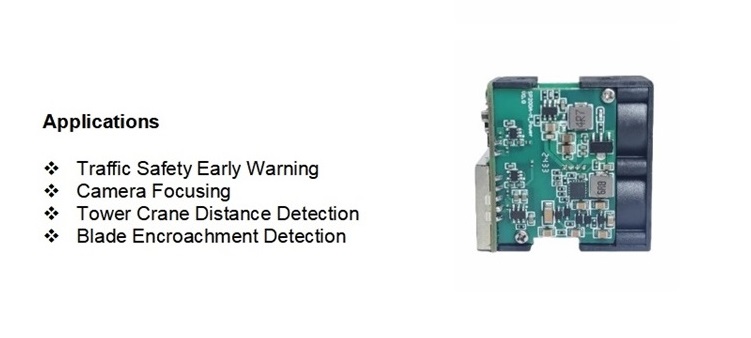
Enter LiDAR, the superhero of distance measurement! It uses laser light to gauge distances with remarkable precision. For starters, it can provide 1500m of measurement capability without breaking a sweat. Beyond that, the data collected is richer and more detailed, allowing for 3D mapping and rapid scanning. It’s basically the GPS of measurement—no more measuring twice, cutting once, or searching for that pesky tape measure you’re 99% sure you left on the kitchen counter.
Benefits of 1000Hz Sampling Rate
Impact on Data Collection Speed
A 1000Hz sampling rate is like turbocharging your data collection. This means the sensor can capture up to 1000 measurements every second, making it perfect for dynamic environments where everything is a bit too lively for a slowpoke sensor. Whether you’re tracking moving objects or scanning landscapes, this rapid pace ensures that the data you get is as fresh as that cup of coffee you’re sipping—no stale data allowed!
Real-Time Processing Capabilities
With such a high sampling rate, real-time processing becomes a piece of cake (and let’s be honest, who doesn’t love cake?). This capability enables immediate feedback and analysis, allowing operators to make quick decisions based on the most current data available. Think of it as having a supercharged assistant who doesn’t just fetch coffee but also delivers insights quicker than you can say “LiDAR is the future!”
Installation and Integration Guidelines
Installation Requirements and Best Practices
Installing your new sensor might sound like a daunting task, but fear not! The setup typically involves a few simple steps: ensure a sturdy mount, connect power and data cables, and calibrate the sensor. It's like putting together IKEA furniture—just follow the instructions, and you’ll be done before you realize you’ve missed lunch. Best practices also include checking the line of sight for optimal performance and avoiding obstacles that could impede those precise laser measurements.
Integrating with Existing Systems
Integration doesn’t need to be a headache either. Most modern LiDAR systems come with user-friendly interfaces and compatibility options for various software and hardware setups. Just think of it as making a new friend who clicks right away—plug it in, sync it up, and you’re good to go! Ensure to take advantage of existing data protocols to achieve a seamless connection, allowing everything to work together in perfect harmony (cue the choir music).
Future Trends in Laser Measurement Technology
Advancements in Sensor Technology
The future of laser measurement is shining bright! Advances in sensor technology are paving the way for even greater accuracy and efficiency. We can expect lighter, more compact sensors that can withstand some serious weather conditions, along with enhanced algorithms for smarter data processing. It’s like upgrading from a flip phone to the latest smartphone—only way cooler!
Potential Developments in LiDAR Applications
With the leaps and bounds in LiDAR technology, we’re bound to see a surge in its applications. From autonomous vehicles mapping their surroundings like a pro to agricultural drones delivering precise measurements for crop health, the possibilities are endless. Expect to see LiDAR becoming a staple in industries ranging from construction to environmental monitoring, driving innovation across the board. Soon, we might even get to the point where LiDAR is as common as a coffee shop on every corner—everywhere you look, there’ll be a little laser magic happening!In conclusion, the new 1500m Laser Length Measurement Sensor represents a significant leap forward in measurement technology, combining the precision of Time-of-Flight measurement with the versatility of LiDAR at a high sampling rate. Its wide-ranging applications across various industries underscore its potential to enhance operational efficiency and accuracy. As technology continues to evolve, this sensor is poised to play a pivotal role in shaping the future of measurement solutions, empowering professionals to achieve more precise and reliable results in their respective fields.
Frequently Asked Questions
What is the maximum measurement range of the 1500m Laser Length Measurement Sensor?
The ranging sensor has a maximum measurement range of 1500 meters, making it suitable for a variety of applications that require long-distance measurement.
How does the 1000Hz sampling rate benefit data collection?
The 1000Hz sampling rate allows for rapid data collection, enabling real-time processing and improved accuracy in dynamic environments, which is crucial for applications like autonomous navigation and fast-paced construction projects.
Can the rangefinder sensor be integrated with existing measurement systems?
Yes, the measure sensor is designed to be compatible with various existing systems and can be integrated with minimal adjustments, allowing for seamless upgrades to your measurement capabilities.
In what environmental conditions can the long range sensor operate effectively?
The distance sensor is built to withstand a range of environmental conditions, including extreme temperatures and varying weather, ensuring reliable performance in outdoor and industrial settings.
Chengdu JRT Main Measuring Modules: Industrial Laser Distance Sensors, Outdoor Rangefinder Laser Module, Tof LiDAR Sensors, New Arrivals Laser Rangefinder Module.