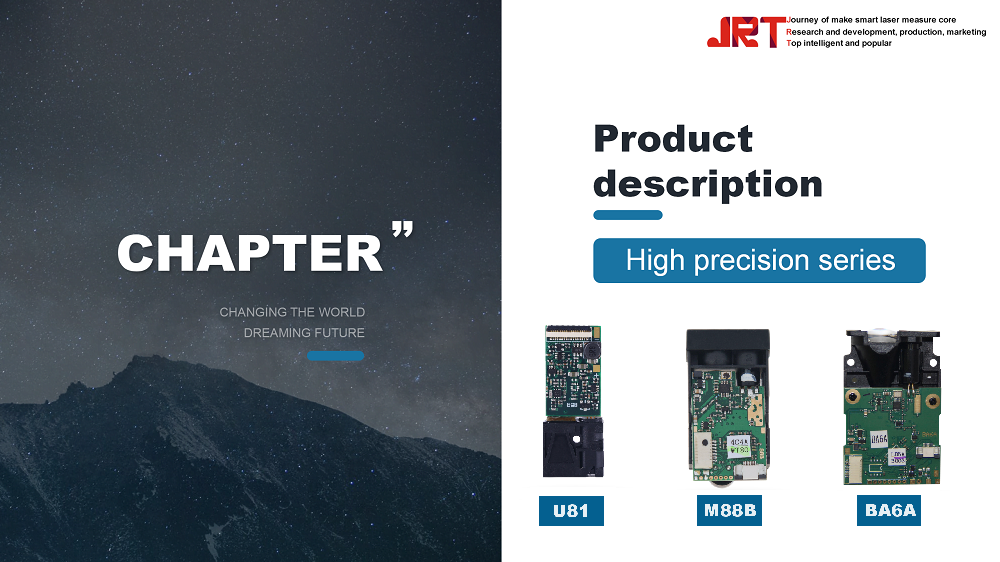
The 2026 Distance Sensor, featuring a cutting-edge 3000m Micro Laser Range Finding Module with a 905nm wavelength, represents a significant advancement in distance measurement technology. Designed for precision and reliability, this module is suitable for a wide range of applications across various industries, from construction and surveying to robotics and agriculture. With its impressive range and accuracy, as well as compact design, the 2026 Distance Sensor provides users with the capability to perform critical measurements in challenging environments. This article delves into the key features, technical specifications, applications, and future developments of this innovative sensor, offering a comprehensive understanding of its role in modern technology.
Overview of the 2026 Distance Sensor
What is a Distance Sensor?
A distance sensor is a nifty little gadget designed to measure the distance between itself and an object. Think of it as the techy cousin of a tape measure, but without all the awkward coiling and tangling. Distance sensors come in various types—ultrasonic, infrared, and laser—each with its own strengths, but the 2026 Distance Sensor takes it a step further with its impressive 3000m range using cutting-edge micro laser technology.
Introduction to Micro Laser Technology
Micro laser technology is like the secret sauce that makes the 2026 Distance Sensor so special. It utilizes a narrow beam of light, specifically a 905nm wavelength, to measure distances with pinpoint accuracy. Unlike traditional methods that may struggle with obstacles or ambient noise, micro lasers can cut through the confusion, giving you reliable readings in various conditions. It’s like having a laser-guided ruler—just way cooler.
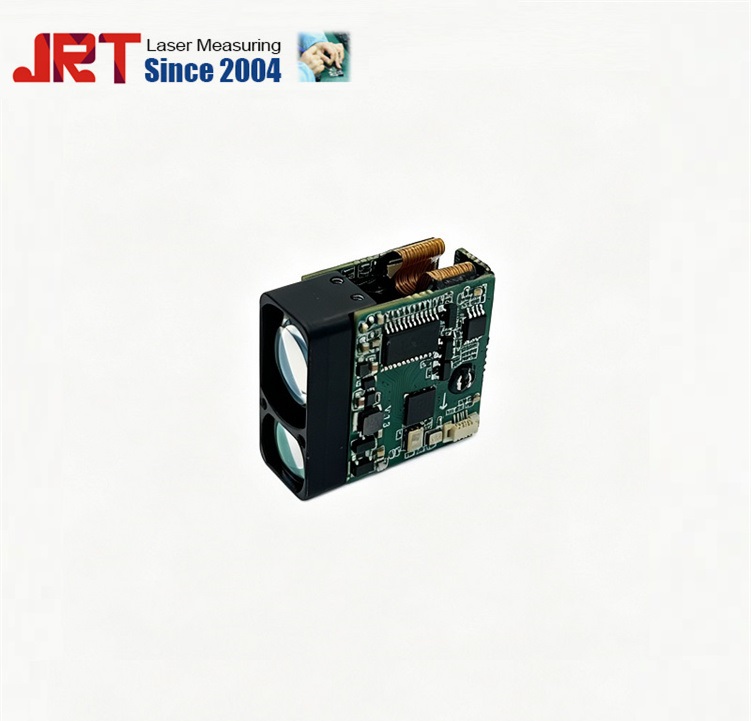
Key Features of the 3000m Micro Laser Range Finding Module
Laser Wavelength and Its Significance
The 905nm wavelength is a golden ticket in the world of distance measurements. It’s in the near-infrared spectrum, which means it can easily penetrate dust, fog, and even mild lighting conditions without losing its way. This wavelength ensures that measurements are both accurate and reliable, making it the go-to choice for those who want the best bang for their buck.
Range and Accuracy
With an astonishing range of up to 3000 meters, the 2026 Distance Sensor could likely measure the length of a football field… and then some! Its accuracy is equally impressive, boasting precision of a few millimeters, depending on the environment. So whether you’re measuring the next big construction site or just trying to figure out how far away that pesky squirrel is, this sensor has you covered.
Size and Weight Considerations
In a world where everything’s getting bigger and heavier, the 2026 Distance Sensor is a breath of fresh air. Compact and lightweight, it’s designed for easy integration into various systems and applications. It won’t weigh down your projects or take up too much space, making it perfect for mobile applications and installations where every ounce matters.
Technical Specifications and Performance
Operating Conditions and Environment
The 2026 Distance Sensor is tough enough to handle a variety of environments. With an operational temperature range suitable for everything from the sweltering summer sun to chilly winter nights, it’s designed to keep on ticking when the going gets tough. Dustproof and waterproof options ensure it can brave the elements, making it as reliable as your best friend (but way less likely to steal your fries).
Power Supply Requirements
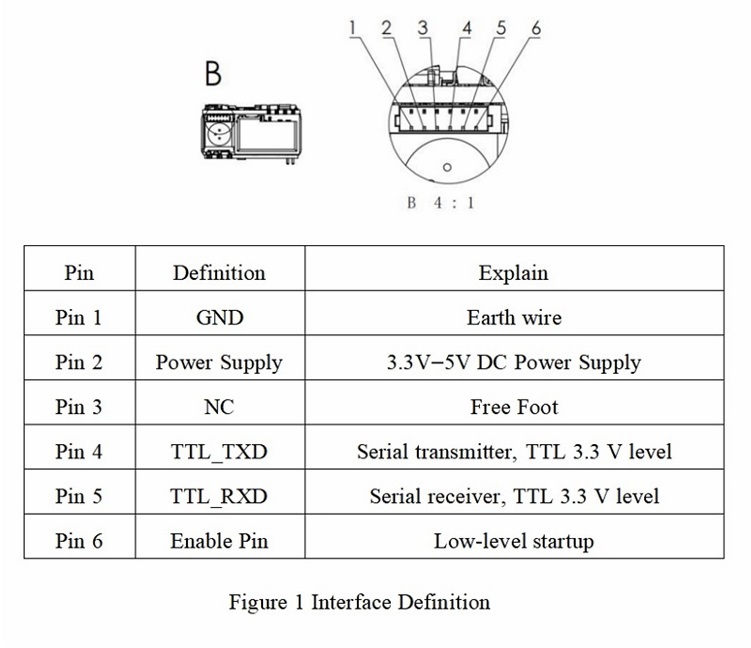
This little marvel runs on a modest power supply, which means it won’t drain your batteries faster than you can say “recharge.” Depending on the specific model and usage, it typically operates on low power, making it an energy-efficient option for long-term projects. So, you can save the planet while you’re at it!
Data Output Formats
For those who love data (and let’s be honest, who doesn’t?), the 2026 Distance Sensor offers various output formats to cater to your preferences. Whether you prefer analog outputs for a straightforward approach or digital formats for more complex data handling, this sensor makes it easy to get the information you need for your next great idea.
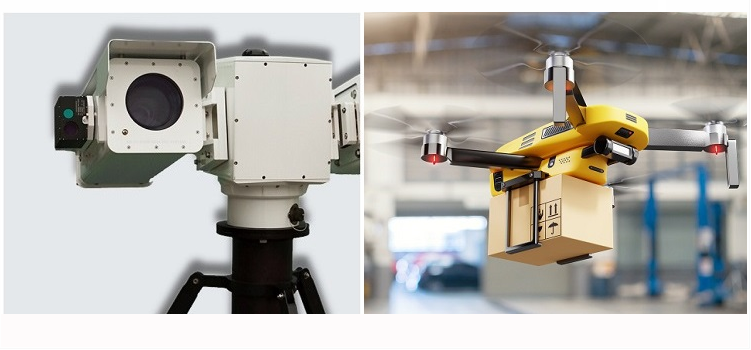
Applications in Various Industries
Construction and Surveying
In the construction and surveying world, precision is key, and the 2026 Distance Sensor shines bright. It allows for accurate land plotting, elevation measurements, and ensuring that everything is built to spec. Architects and engineers can finally measure without the guesswork—just don’t forget to bring coffee for your site supervisor!
Robotics and Automation
When it comes to robotics, avoiding obstacles is essential. The 2026 Distance Sensor gives robots the ability to "see" their surroundings, making them smarter and more efficient. Whether it’s helping a robotic vacuum navigate around furniture or guiding industrial robots in a factory, this sensor is the all-seeing eye that makes automation a breeze.
Agriculture and Environmental Monitoring
Farmers and environmental scientists, rejoice! The 2026 Distance Sensor can help monitor land use, track growth patterns, and assist in precision farming techniques. It ensures that crops are planted and harvested at the optimal times, making it a crucial player in the quest for sustainable agriculture. Plus, you can finally say goodbye to guessing how far away that tree is from the edge of your field!
Comparison with Other Distance Measuring Technologies
Infrared vs. Laser Range Finding
Infrared sensors are often the go-to for close-range measurements, but when it comes to distance, they can miss the mark—literally. While infrared sensors work by emitting light and measuring the time it takes for it to bounce back, their effectiveness diminishes with distance and atmospheric interference. On the other hand, our 2026 Micro Laser Range Finding Module boasts a precise 3000m reach with 905nm wavelength, meaning it’s not only further but also more accurate over long distances. So, if you want to measure across the yard, or, you know, halfway to the moon, laser is your best friend.
Ultrasonic Sensors vs. Laser Sensors
Ultrasonic sensors are like the folks at karaoke who only know the chorus—they’re good for detecting objects and measuring distance, but they can struggle with precision and are generally limited to shorter ranges. They send out sound waves and wait for the echo, which can be affected by temperature and humidity. Laser sensors, like our 2026 module, skip the waiting game and provide rapid readings with high accuracy regardless of the weather. If you want to avoid the off-key notes of inconsistent measurement, stick with lasers!
Cost-Benefit Analysis
When comparing cost versus benefits, laser sensors might initially seem like a splurge, but let's crunch the numbers. While infrared and ultrasonic sensors can be cheaper upfront, they often require frequent calibration and have limited range and accuracy, leading to potential hidden costs over time. The 2026 Micro Laser Range Finding Module may have a higher price tag, but its robust performance and reliability mean fewer headaches and expenses down the line. In short: invest in quality today to save your budget from a surprise party of repairs tomorrow.
Installation and Integration Guidelines
Installation Steps and Best Practices
Installing the 2026 Distance Sensor is like assembling a piece of IKEA furniture—follow the steps, and you can avoid that ‘extra screw’ situation. Start by selecting a secure mounting surface, ideally free from obstructions. Use the provided brackets and ensure the sensor is aligned with the target surface. A spirit level won’t hurt—nobody wants a wonky measurement! Make sure to check the power supply and connect the wiring according to the manual, then get ready to measure like a pro.
Software Integration and Compatibility
The 2026 Micro Laser Range Finding Module is designed to play well with others in the tech sandbox. Most modern systems will be compatible, but it’s always wise to check the fine print. Whether you’re integrating with a microcontroller or a more complex setup, ensure your software can handle the data output format. Don’t forget to update any necessary drivers or libraries—this isn't a game of hide-and-seek, after all.
Calibration Procedures
Calibration might sound intimidating, but think of it as a little tune-up for your sensor. Start by placing your sensor at a known distance—think of it as measuring a friend’s height when they’re standing on a stool. Measure the output, and if it doesn’t add up, adjust accordingly. Regular calibration will keep your readings as sharp as a laser cutting through the dark (which, ironically, lasers do quite well!).
Maintenance and Troubleshooting Tips
Regular Maintenance Routines
Keeping your laser sensor in tip-top shape is easier than keeping a houseplant alive (no green thumbs required!). Regularly check for dirt or obstructions that could impede the laser’s path, and gently clean the lens with a microfiber cloth. Schedule periodic performance checks—much like you’d give your car a periodic oil change—to ensure everything is working as it should.
Common Issues and Solutions
Even the best technology can have its off days. If your readings seem off, first check for obstructions or dirt on the lens. If everything looks clear, ensure your power supply is stable—those sneaky voltage drops can cause mischief. If the sensor is unresponsive, a restart might be all it needs (and who doesn’t appreciate a little power nap?).
When to Seek Professional Help
If after all your troubleshooting your 2026 Distance Sensor still isn’t singing its sweet tune, it might be time to call in the experts. If you’re experiencing issues that are beyond simple fixes or deep in the software weeds, don't hesitate to reach out for professional assistance. Sometimes, a fresh pair of eyes—and perhaps a bit of experience—can make all the difference!
Future Developments in Laser Range Finding Technology
Emerging Trends and Innovations
The world of laser range finding is evolving faster than a fast-forwarded movie. Upcoming trends include miniaturization and enhanced sensor capabilities, and who knows—maybe even models that can tell you jokes while measuring. Advances in AI integration for real-time data processing will help users analyze distances with unprecedented accuracy and efficiency, potentially shifting the landscape of how we measure distances.
Potential Impact on Industry Standards
As laser technology continues to improve, we may see shifts in industry standards that could redefine measurement protocols. The integration of faster, more accurate devices could lead to new benchmarks for everything from construction to automotive design, ensuring that precision isn’t just a luxury but a necessity.
Research and Development Directions
R&D teams are already diving head-first into exploring next-gen materials and algorithms that enhance the precision and efficiency of laser range finders. Expect to see innovations that might make these devices lighter, more durable, and even capable of measuring in challenging environments, like underwater or during a disco party. The future is bright (and laser-precise)!In conclusion, the 2026 Distance Sensor with its 3000m Micro Laser Range Finding Module is poised to transform the way industries approach distance measurement. Its advanced features and versatility make it an indispensable tool for professionals seeking accuracy and efficiency in their operations. As technology continues to evolve, the potential applications for this sensor will undoubtedly expand, paving the way for innovative solutions across various fields. Embracing this technology today can lead to more precise and informed decision-making tomorrow.
Frequently Asked Questions
What is the maximum range of the 2026 Distance Sensor?
The 2026 Distance Sensor boasts a maximum range of up to 3000 meters, making it suitable for long-distance measurements in various applications.
How does the 905nm wavelength affect performance?
The 905nm wavelength is optimized for high precision and low interference, allowing for accurate measurements even in challenging environmental conditions.
Can the 2026 Laser Distance Sensor be integrated with existing systems?
Yes, the sensor is designed for easy integration with various existing systems, and it supports multiple data output formats for compatibility.
What maintenance is required for the sensor?
Regular maintenance includes cleaning the lens, checking for firmware updates, and calibrating the sensor to ensure optimal performance over time.
Chengdu JRT Main Ranging Modules: Industrial Laser Distance Sensors, Outdoor Rangefinder Laser Module, Tof LiDAR Sensors, New Arrivals Laser Rangefinder Module.