In the rapidly evolving field of robotics, the demand for advanced sensing technologies is more critical than ever. Among these innovations, 500Hz long-range sensors, specifically IIC LiDAR with a 50-meter detection range, are gaining significant attention for their unmatched performance and versatility. This technology not only enhances a robot's ability to navigate complex environments but also improves its overall efficiency by enabling real-time data acquisition and processing. As we delve into the intricacies of 500Hz long-range sensors, we'll explore their technical advantages, applications in various robotic systems, and the future trends that promise to shape the landscape of robotic development.
Understanding 500Hz Long Range Sensors
What is a 500Hz Sensor?
A 500Hz sensor refers to a device that can collect data at a staggering rate of 500 times per second. Think of it as a high-speed camera, but instead of snapping pictures, it’s capturing distance measurements and reflective data. This rapid-fire data collection allows for precise mapping and tracking of objects within its range, making it a crucial component in robotics and automation.
Key Technical Specifications
When evaluating a 500Hz long-range sensor, several specifications come into play. Key metrics often include maximum range (up to 50 meters, as we’ll discuss later), field of view, resolution, and operational temperature range. Additionally, the sensor’s data output format and connectivity options (like IIC) are important for seamless integration into various robotic systems, ensuring that robots can “see” their environment accurately and efficiently.
How Frequency Affects Sensor Performance
The frequency at which a sensor operates can drastically influence its performance. Higher frequencies, such as 500Hz, mean more frequent updates on the sensor’s surroundings, leading to better responsiveness and less lag. It’s like upgrading from a dial-up internet connection to fiber optics: the more data you can process at once, the more quickly and accurately decisions can be made by your robotic system.
The Role of IIC LiDAR in Robotics
Overview of IIC (Inter-Integrated Circuit) Technology
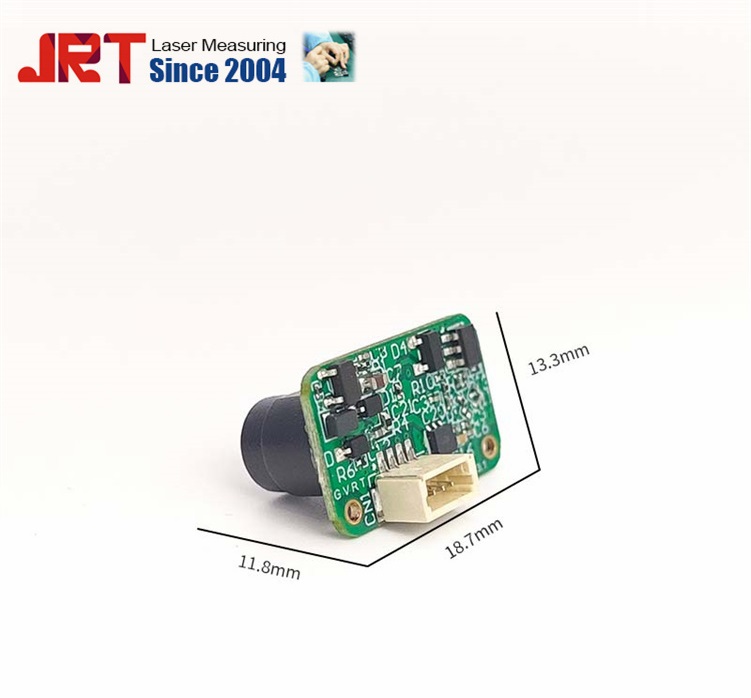
IIC technology is like the quiet but efficient librarian of the electronics world. It enables communication between various components of a system using just two wires, minimizing clutter and maximizing functionality. In the context of LiDAR, this means sensors can share information with processors without the hassle of complex wiring, allowing robots to act swiftly and with purpose.
Integration with Robotic Systems
Integrating IIC LiDAR sensors into robotic systems is akin to teaching a dog new tricks—once you get it right, the results can be astounding. With standardized communication protocols, robotic engineers can easily combine LiDAR capabilities with other sensors to create a comprehensive perception system. This means robots can navigate, avoid obstacles, and perform tasks with finesse, all while staying connected to their “brain” for processing.
Real-time Data Processing Capabilities
With the combination of IIC and high-frequency sampling, real-time data processing transforms the robotic experience into a ballet of efficiency. Data from the LiDAR is processed on-the-fly, allowing robots to make split-second decisions based on the rapidly changing environment around them. It’s like having a superpower where robots can see and react before you even finish saying “Watch out!”
Advantages of 50m Detection Range
Extended Operational Reach
A 50m detection range gives robotic systems a substantial operational advantage, allowing them to sense and respond to objects well before they get too close (no awkward encounters here!). This extended reach is crucial in applications like autonomous vehicles or drones, where anticipating obstacles can be the difference between a smooth ride and a sudden stop.
Improved Accuracy and Resolution
With a 50m detection capability, accuracy and resolution soar, allowing robots to distinguish between small objects and accurately gauge distances. It’s like going from a grainy old TV to high-definition clarity. This level of detail helps systems make informed decisions, ensuring tasks are completed effectively, whether it’s navigating a warehouse or mapping an unknown terrain.
Versatility in Various Environments
Whether it's a sunny day or a foggy evening, the 50m detection range allows robots to function effectively across diverse environments. From indoor spaces with tight corners to expansive outdoor areas, these sensors maintain performance, making them incredibly versatile and reliable companions for any robotic endeavor.
Performance Benefits of High-Frequency Data Acquisition
Enhanced Object Detection
High-frequency data acquisition allows sensors to detect objects with remarkable precision. By gathering and analyzing data 500 times every second, robots can identify and track fast-moving targets or sudden changes in their surroundings. Imagine a robot playing dodgeball—this technology ensures it can react more deftly than most humans!
Reduced Latency in Data Transmission
Latency? Not on our watch! High-frequency sampling means information is relayed almost instantaneously, significantly reducing lag times between data gathering and processing. This rapid communication is crucial for maintaining smooth operation in robotics, keeping actions choreographed and on beat—no one wants a robot doing the robot with a delay!
Better Adaptation to Dynamic Environments
Dynamic environments can be like trying to navigate a party where everyone’s dancing to a different beat—chaotic! However, with high-frequency 500Hz data acquisition, robots can adapt swiftly to changes in their surroundings, from moving obstacles to shifting terrains. It’s this agility that allows them to excel in real-world applications, from delivery bots weaving through crowded sidewalks to drones dodging obstacles in the sky.
Applications of 500Hz LiDAR in Robotics
Autonomous Navigation
In the world of robotics, autonomous navigation is like giving a robot its GPS. With 500Hz Long Range Sensors, robots can swiftly scan their environment and make real-time decisions about where to go. Imagine a delivery robot rolling down the street, dodging pedestrians and parked cars with the grace of a ballet dancer—thank you, IIC LiDAR! This level of precision allows robots to navigate complex terrains, ensuring they arrive at their destination without making a detour to visit the local café (unless that’s part of the plan).
Obstacle Detection and Avoidance
Picture this: a robot confidently cruising towards its goal when—whoops!—a chair suddenly appears in its path. Thanks to the lightning-fast 500Hz data rate of IIC LiDAR sensors, the robot detects the obstacle and recalibrates its route in the blink of an eye. This not only avoids a potential collision but also reduces the risk of sending your robot to the repair shop. It's like having a superhero ability to see through walls, just with slightly less drama.
Mapping and Localization
Mapping and localization are vital for any robot that wants to avoid aimlessly wandering around like a lost puppy. With 500Hz LiDAR, these sensors create high-resolution maps of the surroundings, helping robots know exactly where they are and what’s nearby. It’s akin to having a bird's-eye view of the landscape, allowing robots to plan efficient routes and understand their environment better. Now they're not just wandering—they're on a mission!
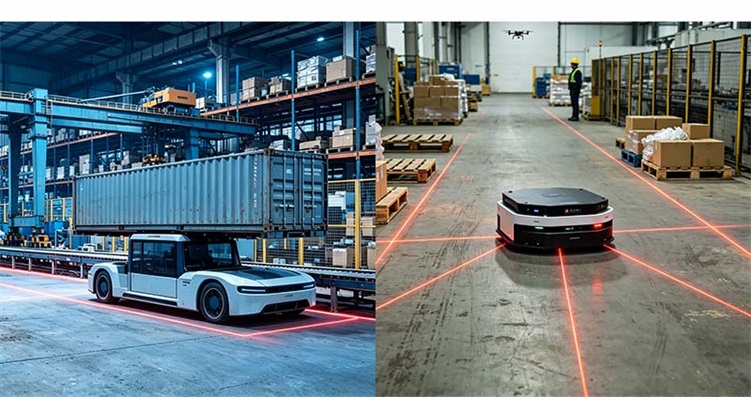
Comparing IIC LiDAR to Other Sensor Technologies
Comparison with Traditional LiDAR
If traditional LiDAR is the trusty ol’ flip phone of sensor technology, IIC LiDAR is the sleek smartphone with all the apps. While both are great for scanning the world around them, IIC LiDAR’s faster data acquisition makes it more efficient and reliable for robots. Traditional LiDAR might get the job done, but when you need speed and precision, IIC LiDAR is your go-to tech. Consider it the upgrade you never knew you needed!
Advantages Over Radar and Ultrasonic Sensors
When it comes to obstacle detection, radar and ultrasonic sensors are like using a net to catch fish while IIC LiDAR is a laser-guided fishing rod. LiDAR offers superior accuracy and a wider range, giving robots a clearer picture of their environment. While radar can penetrate through weather elements and ultrasonic sensors are great for short distances, IIC LiDAR plays the long game—perfect for those ambitious robots planning to explore beyond the office.
Cost and Efficiency Considerations
Cost is always a concern, but let’s talk turkey. While IIC LiDAR sensors may carry a higher upfront price tag than their counterparts, the long-term efficiency and reliability they provide can turn out to be a wise investment. Think of it as buying a quality pair of shoes that won’t give out after a few wears. Investing in 500Hz LiDAR means fewer repairs and improved performance; it’s a win-win in the world of robotics!
Future Trends in Long Range Sensing for Robotics
Emerging Technologies in LiDAR
The future of LiDAR is as bright as a well-lit dance floor! Emerging technologies are paving the way for even more advanced sensors that promise to revolutionize how robots perceive their surroundings. From micro-LiDAR units that can fit on a pinhead to multi-spectral LiDAR that absorbs sunlight better than your average sunscreen, the innovations are endless. It’s like a tech renaissance—and robots are leading the charge!
Potential Enhancements in Sensor Range and Accuracy
Imagine a world where robots can detect objects even farther away with pinpoint accuracy. Future enhancements in sensor range and accuracy promise to extend the capabilities of IIC LiDAR. Think of it as giving the robots superhero vision, allowing them to detect obstacles before they even come into view. The easier it is for robots to 'see' what’s ahead, the safer and smarter they can operate—now that's a win for everyone!
Integration with AI and Machine Learning
As if LiDAR wasn’t cool enough on its own, when it teams up with AI and machine learning, it becomes a powerhouse! Integration with these technologies will allow robots to learn from their experiences, making them more efficient and adaptable. Picture a robot that not only maps out its environment but also learns the best routes and the quirkiest obstacles over time. It’s like giving robots a brain to match their brawn, setting them up for the ultimate success!
Conclusion: The Impact of 500Hz LiDAR on Robotic Development
Summary of Key Benefits
In summary, 500Hz LiDAR brings speed, precision, and versatility to the robotics table. It enhances navigation, improves obstacle detection, and provides accurate mapping—all essential for the robots of tomorrow. If robots could high-five, they’d be doing it with both hands right now!
Implications for the Future of Robotics
The implications of adopting 500Hz LiDAR technology are huge! As robots become smarter and more capable, we can expect them to take on tasks that, in the past, seemed like science fiction. From delivery services to search-and-rescue missions, the future is looking bright for our mechanical friends. Who knows? We might even be inviting them over for coffee one day.
Final Thoughts on Sensor Technology Evolution
As sensor technology continues to evolve, it’s clear that IIC LiDAR is paving the way for smarter, more efficient robots. With innovations that push the boundaries of what’s possible, the evolution of sensor tech is not just a trend—it's a revolution. So buckle up, folks! The future of robotics is here, and it’s powered by sensors that can detect a chair from 50 meters away. What a time to be alive!In conclusion, 500Hz long-range sensors like IIC LiDAR represent a significant advancement in robotic sensing technology. Their ability to provide accurate, real-time data over extended distances opens up new possibilities for autonomous navigation and intelligent decision-making in robots. As the field continues to evolve, embracing these innovations will be essential for enhancing robotic capabilities and ensuring their effectiveness in a variety of applications. The future of robotics is bright, and technologies like 500Hz LiDAR will undoubtedly play a pivotal role in shaping it.
FAQ (Frequently Asked Questions)
1. What are the key benefits of using 500Hz long-range sensors in robotics?
The key benefits include enhanced object detection, improved accuracy and resolution, reduced latency in data transmission, and the ability to operate effectively in dynamic environments.
2. How does IIC LiDAR sensor differ from traditional LiDAR systems?
IIC LiDAR features faster data acquisition rates, smaller form factors, and improved integration capabilities with robotic systems, allowing for more efficient operation compared to traditional LiDAR.
3. What types of applications can benefit from 50m laser detection range sensors?
Applications such as autonomous navigation, obstacle detection and avoidance, mapping, and localization in both indoor and outdoor environments can significantly benefit from a 50m detection range.
4. Are there any limitations to using 500Hz long-range sensors?
While 500Hz long-range sensors offer many advantages, limitations may include higher costs compared to simpler sensors, potential challenges in extremely cluttered environments, and the need for robust data processing capabilities.
Chengdu JRT Main Measuring Modules: Industrial Laser Distance Sensors, Outdoor Rangefinder Laser Module, Tof LiDAR Sensors, New Arrivals Laser Rangefinder Module.