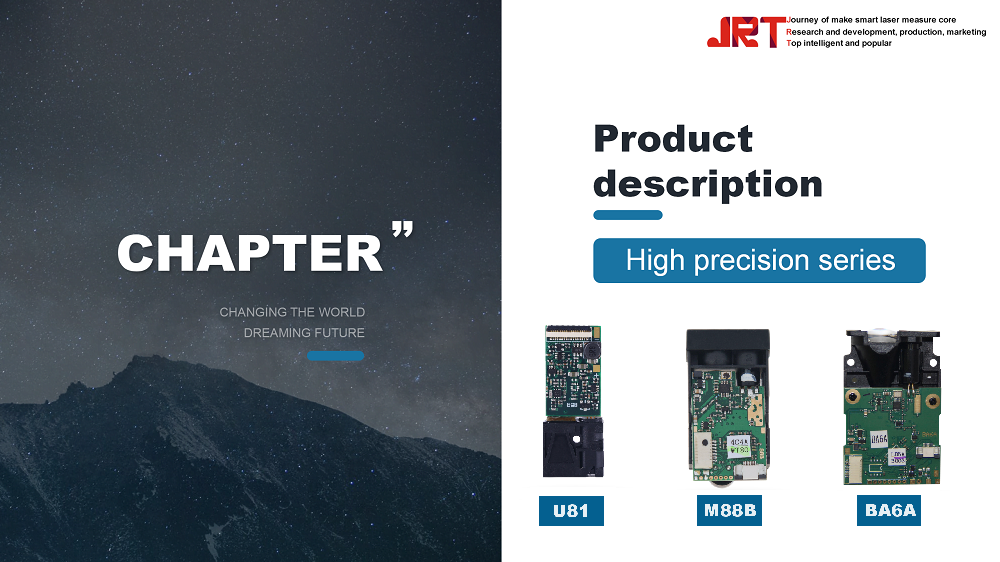
The 2026 Radar Module represents a significant advancement in laser distance sensing technology, offering an impressive measurement range of up to 100 meters with a rapid data acquisition rate of 1000Hz. This miniature I2C laser distance sensor is designed for precision and versatility, making it ideal for a variety of applications, from industrial automation to robotics and geospatial measurement. With its compact form factor and robust technical specifications, the 2026 Radar Module is poised to meet the increasing demands for high-performance sensing solutions across numerous industries. In this article, we will delve into the key features, technical specifications, and potential applications of this innovative sensor, as well as explore its advantages over competing technologies and discuss future trends in the field.
Overview of the 2026 Radar Module
Introduction to Radar Technology
Radar technology may sound like something out of a sci-fi movie—but in reality, it’s a powerful tool that has evolved dramatically over the years. At its core, radar (which stands for RAdio Detection And Ranging) involves sending out waves, detecting their echoes, and using that information to measure distances. The 2026 Radar Module harnesses this technology with a precise laser distance sensor capable of measuring up to 100 meters, making it ideal for a multitude of applications.
Design and Form Factor
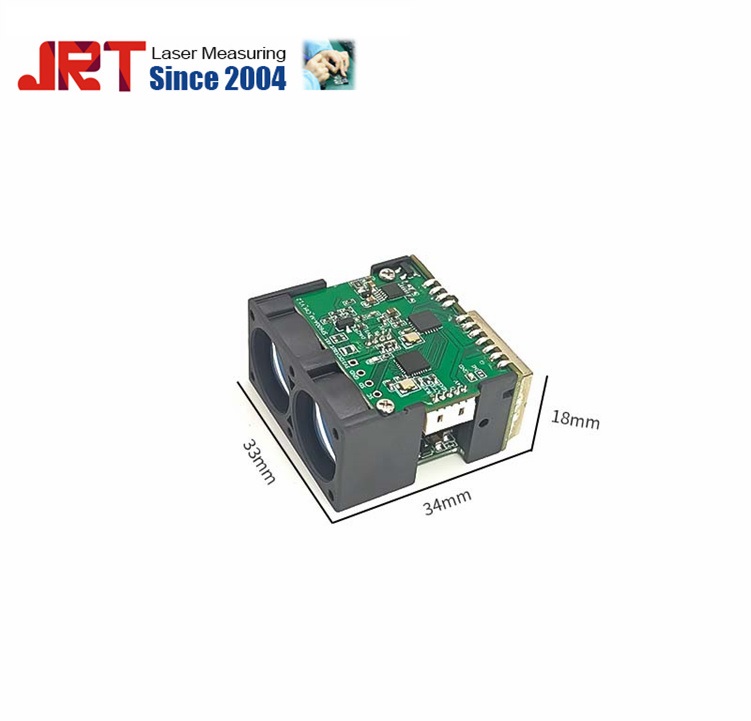
The 2026 Radar Module takes sleek and compact design to a new level, like the Marie Kondo of sensors—if it doesn't spark joy, it doesn’t belong! Its miniature form factor makes it easy to integrate into various devices without taking up too much space. Lightweight yet sturdy, this module is designed to thrive in demanding environments while boasting a pleasing aesthetic that won’t distract from your project’s overall vibe.
Key Features of the 100m I2C Miniature Laser Distance Sensor
Measurement Range and Accuracy
The 2026 Radar Module’s measurement range of up to 100 meters offers a delightful degree of flexibility for your projects. Whether you’re tracking the distance to a friendly tree or accurately gauging the dimensions of an entire room, this sensor delivers top-notch accuracy. Plus, it measures distances with a precision that would make even a ruler feel inadequate.
I2C Communication Protocol
For those who speak fluent tech, the I2C communication protocol is like the universal translator of the sensor world. This allows for seamless communication between the 2026 Radar Module and your microcontroller, making integration as easy as pie (or pie charts, if you’re into data). With I2C, you can connect multiple devices through just a few wires—who knew simplicity could be so sophisticated?
Operating Frequency and Speed
With an impressive operating frequency of 1000Hz, the 2026 Radar Module keeps pace with the fastest of projects, ensuring you won’t miss a beat—or a measurement. This speed means that whether you’re counting down the seconds to a race or measuring distance in real-time, this module delivers data quickly and efficiently, setting your projects on the fast track.
Technical Specifications and Performance Metrics
Power Consumption and Efficiency
The 2026 Radar Module sips power like a cat at a fancy tea party—carefully and conservatively. With low power consumption and high efficiency, this little powerhouse won’t zap your energy budget while still delivering stellar performance. Say goodbye to guilt over wasting power!
Environmental Durability and Operating Conditions
Built to withstand the elements, the 2026 Radar Module is like the rugged hero of your electronic adventures. It flourishes in various environmental conditions, from humid jungles to arid deserts, making it suitable for both indoor and outdoor applications. Rain or shine, this module has your back (and your measurements).
Data Output Format and Resolution
Data is king, and the 2026 Radar Module knows how to present it like royalty. With high resolution and adaptable data output formats, you can easily tailor the information to suit your needs. Whether it’s for analytics, display, or integration into larger systems, this sensor ensures that your data isn’t just good—it’s glamorous.
Applications and Use Cases for the 2026 Radar Module
Industrial Automation
In the buzzing world of industrial automation, efficiency is the name of the game, and the 2026 Radar Module plays its part to perfection. It effortlessly tackles tasks like distance measurements in assembly lines and inventory management, ensuring everything is right where it needs to be—no surprise detours here!
Robotics and Autonomous Vehicles
Robots and autonomous vehicles need to “see” their surroundings to navigate effectively, and the 2026 Radar Module has got their vision sorted! From obstacle detection to precise positioning, this sensor plays a critical role in making sure your robotic friends don’t bump into walls—or each other.
Geospatial Measurement and Surveying
When it comes to geospatial measurement and surveying, the 2026 Radar Module is like having a surveyor’s best friend on hand. With its ability to accurately measure distances in various terrains, it’s perfect for mapping out landscapes, identifying landmarks, and gathering data for construction projects. With this sensor, you can survey the land like a true cartographer—minus the worn-out shoes!

Comparison with Other Laser Distance Sensors
Advantages of the 2026 Radar Module
The 2026 Radar Module is a beacon of precision in the chaotic world of distance measurement. With a sampling rate of 1000Hz, it’s like the Usain Bolt of laser sensors—fast and furious, delivering real-time data that keeps up with the pace of modern tech. Its compact design means you can easily pop it into places with limited real estate. Plus, the I2C interface means it’s as easy to connect as your favorite Bluetooth speaker—no more wrestling with complicated wiring!
Limitations Compared to Competitors
While the 2026 Radar Module shines brightly, it’s not without its shadows. Some competitors offer longer range capabilities that can make this little dynamo look a bit short-sighted. Additionally, its dependency on I2C can create compatibility hiccups with systems that prefer other communication protocols. In terms of price, let’s just say you might find a few contenders that won’t leave your wallet gasping for air.
Integration and Compatibility with Existing Systems
Hardware Requirements
To get the 2026 Radar Module up and running, you’ll need a compatible microcontroller or processor that can handle its sneaky little I2C demands. Ensure your power supply is robust enough to handle its needs because nothing's worse than a sensor that runs out of juice at the crucial moment—like a phone at 1% battery during a crucial call!
Software Integration and APIs
Integrating the 2026 Radar Module is as smooth as butter on a hot pancake. Thanks to its user-friendly APIs, developers can easily hook it into existing software without breaking a sweat. Just grab the documentation, and you'll have it squawking data in no time. However, don’t forget to keep an eye on firmware updates to take advantage of all the latest and greatest improvements.
Installation and Maintenance Guidelines
Mounting Options and Best Practices
Mounting the 2026 Radar Module is like finding the perfect frame for a masterpiece; it’s all about the right angle! Ideally, you’ll want to install it in a spot that minimizes obstructions and optimizes the view. Use sturdy brackets, and avoid places where it might get clattered by a rogue stapler or mysteriously enveloped in a mountain of dust—trust us, sensors and dust bunnies don’t mix!
Regular Maintenance and Troubleshooting Tips
Routine maintenance is key to keeping the 2026 Radar Module in tip-top shape. Regularly check for any debris or grime that might be clouding its vision—think of it as a spa day for your sensor! When things go awry, the trusty reboot is your best friend. If that doesn’t work, dive into the user manual for troubleshooting tips or consult the online community, where fellow enthusiasts await to share their wisdom.
Future Trends in Laser Distance Sensing Technology
Innovations on the Horizon
The world of laser distance sensing is buzzing with innovation! Expect advancements in integration with IoT devices, making distance measurements a seamless part of smart home systems. There’s also talk of enhanced range and accuracy, with sensors capable of cutting through the fog—literally. Who wouldn’t want a sensor that can see through the mist like a superhero?
The Role of AI and Machine Learning
Enter AI and machine learning, the dynamic duo set to revolutionize laser distance sensors. By analyzing data patterns, AI could make real-time adjustments for accuracy, adapting to environmental changes like a chameleon in a paint factory. Imagine a laser sensor that learns from its surroundings and optimizes its performance—talk about a smart investment! The future sure looks bright (and precise)!In conclusion, the 2026 Radar Module stands out as a powerful tool in the realm of laser distance sensing, combining accuracy, speed, and versatility in a compact design. Its robust features and wide range of applications make it an essential component for professionals seeking reliable measurement solutions in various fields. As technology continues to evolve, the 2026 Radar Module is well-positioned to adapt and meet future challenges, paving the way for advancements in automation, robotics, and beyond.
Frequently Asked Questions (FAQ)
1. What is the maximum distance the 2026 Radar Module can measure?
The 2026 Radar Module can measure distances up to 100 meters.
2. How does the I2C communication protocol benefit the sensor?
The I2C communication protocol allows for easy integration with various microcontrollers and provides a simple way to connect multiple devices using only two wires.
3. What types of applications are best suited for the 2026 Long Radar Module?
The 2026 Radar Module is ideal for applications in industrial automation, robotics, geospatial measurement, and any scenario where precise distance measurement is required.
4. Is the 100m Radar Module suitable for outdoor use?
Yes, the 2026 Radar Module is designed to be durable and can operate effectively in various environmental conditions, making it suitable for outdoor applications.
Chengdu JRT Main Rangefinder Modules: Industrial Laser Distance Sensors, Outdoor Rangefinder Laser Module, Tof LiDAR Sensors, New Arrivals Laser Rangefinder Module.