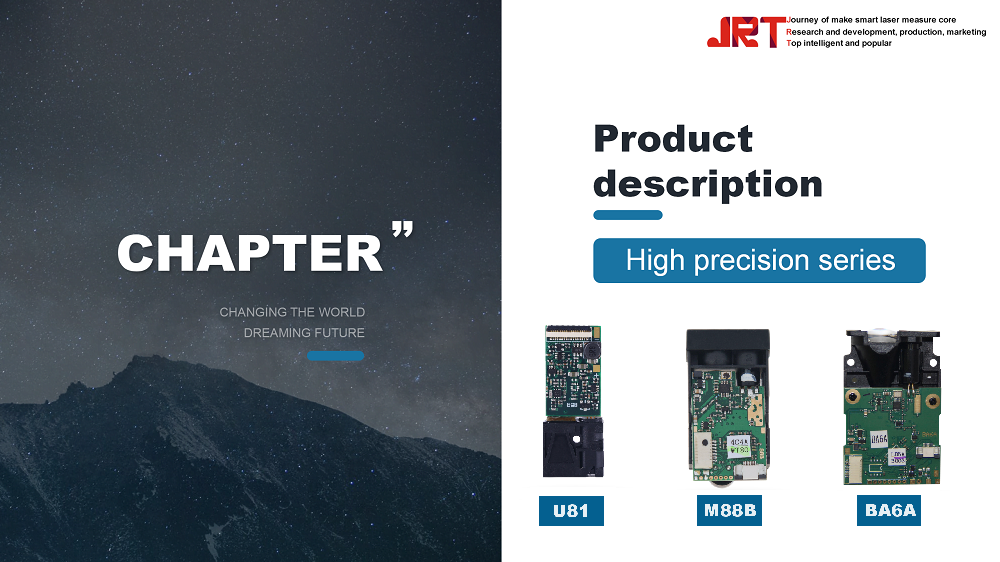
The 2026 IR Range Sensor represents a significant advancement in the realm of LiDAR robotics, particularly with its impressive 1KHz short-range capabilities. As industries continue to embrace automation and precision technology, the demand for efficient sensing solutions has never been greater. This article delves into the features, advantages, and applications of this innovative sensor, while also comparing it to other technologies on the market. By exploring its potential challenges and future trends, we aim to provide a comprehensive understanding of how the 2026 IR Range Sensor is poised to shape the future of robotics and automation.
Overview of the 2026 IR Range Sensor
Development Background
In the ever-evolving world of robotics, the 2026 IR Range Sensor emerged from a need for more sophisticated navigation tools. Developers recognized a gap in short-range sensing capabilities for LiDAR devices and set to work. After years of tinkering, caffeinated discussions, and possibly some intense brainstorming sessions fueled by doughnuts, they birthed this sensor. The goal? To enhance robotic perception and make them smarter than the average houseplant.
Technology Overview
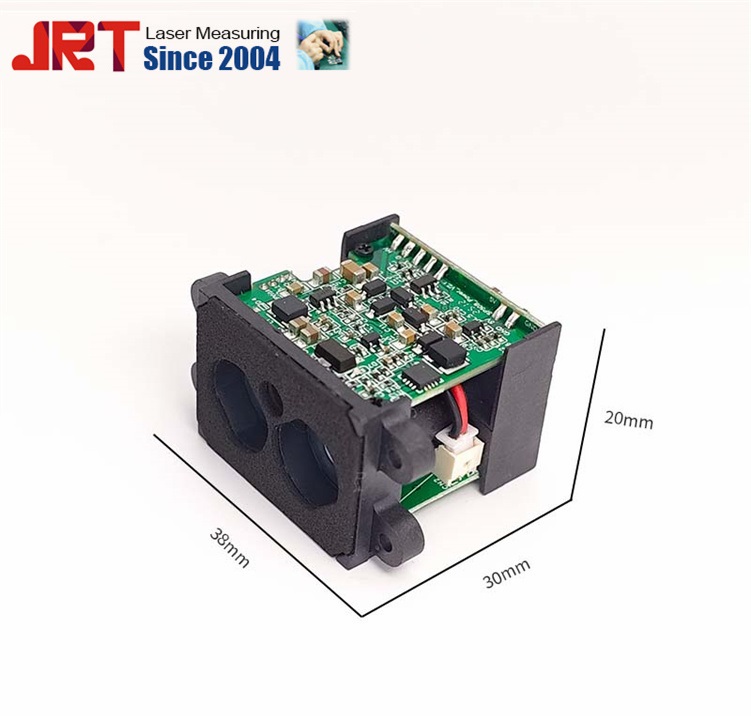
At its core, the 2026 IR Range Sensor employs infrared technology to detect nearby obstacles and measure distances up to 50 meters. With a refresh rate of an impressive 1KHz, this nifty device ensures data is collected rapidly, allowing robots to "see" their surroundings in near real-time. The sensor’s compact design also means it can be integrated into a variety of robotic platforms without turning them into heavy machinery.
Key Features and Specifications
DToF Sensor Range and Accuracy
This little powerhouse boasts a sensor range that can comfortably cover short distances up to 50 meters. With an accuracy level of ±2 cm, it’s like having a measuring tape that’s always ready to go. Whether it’s mapping out a room or dodging that unsuspecting coffee table leg, this sensor ensures precision without breaking a sweat.
Data Processing Capabilities
The 2026 sensor is equipped with robust data processing power, capable of handling complex algorithms at lightning speed. It can manage vast amounts of environmental data in real-time, drawing actionable insights faster than you can say “LiDAR.” This means robots can make quick decisions, like dodging obstacles or navigating through crowded spaces without hesitation.
Power Consumption and Efficiency
In an age where energy efficiency is king, the 2026 IR Range Sensor shines like a golden trophy. Its low power consumption ensures that robots can operate for extended periods without draining their batteries faster than you can say “out of juice.” With smart power management features, this sensor proves that staying efficient doesn’t mean sacrificing performance.
Advantages of 1KHz Short Range LiDAR Technology
High Resolution and Precision
With a refresh rate of 1KHz, the 2026 sensor delivers high-resolution data that ensures robots perceive their environment accurately. Think of it as giving your robot a pair of glasses; they can now see clearly, recognizing minute details that could make all the difference in navigation.
Real-time Data Acquisition
Thanks to its rapid data gathering capabilities, this LiDAR technology allows robots to react in real-time, acting more like a ninja and less like a clumsy toddler. Whether weaving through obstacles or mapping a space, the sensor ensures robots stay agile and responsive.
Cost-Effectiveness Compared to Alternatives
While some may fork out big bucks for alternative technologies, the 2026 IR Range Sensor delivers impressive performance at a fraction of the cost. It’s like finding that perfect pair of jeans that fits just right without burning a hole in your pocket. Accessible LiDAR solutions mean more robots can take advantage of cutting-edge tech without financial strain.
Applications of LiDAR Robotics in Various Industries
Autonomous Vehicles
In the realm of autonomous vehicles, the 2026 IR Range Sensor plays a vital role, helping cars navigate tricky urban landscapes with ease. By detecting nearby obstacles and providing immediate feedback, it keeps passengers safe and drivers free from anxiety (or at least as much anxiety as a robot-controlled car can muster).
Industrial Automation
The manufacturing industry has also seen the benefits of LiDAR-enabled robotics. From streamlining assembly lines to improving inventory management, the 2026 sensor enhances operational efficiency. It’s like having an extra pair of eyes and hands that never tire — or complain about their coffee breaks!
Environmental Monitoring
With an increasing focus on sustainability, the 2026 IR Range Sensor has found its way into environmental monitoring applications. It assists in measuring air quality, mapping vegetation, and assessing wildlife habitats. In short, it’s helping robots do their part to keep our planet healthy — and they do it all while looking cool!
Comparison with Other Sensors in the Market
LiDAR vs. Ultrasonic Sensors
When it comes to short-range detection, LiDAR and ultrasonic sensors might seem like two rivals ready for a showdown. LiDAR, with its nifty lasers and precise distance calculations, offers superior accuracy compared to ultrasonic sensors, which rely on sound waves. Although ultrasonic sensors are budget-friendly and work well in environments like warehouses, they can struggle with reflective surfaces and background noise. On the flip side, LiDAR has a steeper price tag but brings remarkable performance to the table, making it the preferred choice for robotics needing precision.
LiDAR vs. Infrared Sensors
Infrared sensors, the simpler cousins of LiDAR, excel in less demanding applications and are often found in consumer products like smart home devices. They operate using light waves, which limits their range and accuracy in complex environments. LiDAR, contrastingly, provides comprehensive 3D spatial data, making it ideal for advanced robotics applications. If infrared sensors are the trusty old bicycles of the sensor world, LiDAR is the shiny new electric scooter—both get you where you need to go, but one is definitely cooler.
Performance Metrics Comparison
When stacking up performance metrics, the 2026 IR Range Sensor shines in several areas. It boasts a frequency of 1KHz, providing rapid data acquisition that helps robotics respond to their surroundings almost in real-time. Meanwhile, factors like detection range, accuracy, and power consumption play critical roles. While ultrasonics may offer decent range, LiDAR generally surpasses them in terms of detection accuracy. Infrared sensors often fall short in complex environments, whereas the IR Range Sensor balances performance and adaptability, offering robotics a reliable option for various applications.
Future Trends in IR Range Sensing Technology
Advancements in Sensor Integration
The future of IR range sensing technology is looking bright, with ongoing advancements in sensor integration. Expect to see sensors that can share data seamlessly with other systems, resulting in more cohesive and intelligent robotic platforms. The trend leans towards miniaturization, allowing for compact designs without sacrificing performance. Imagine robots with the sensory capabilities of a superhero all packed into a petite frame—now that’s a game-changer!
Emerging Applications in Robotics
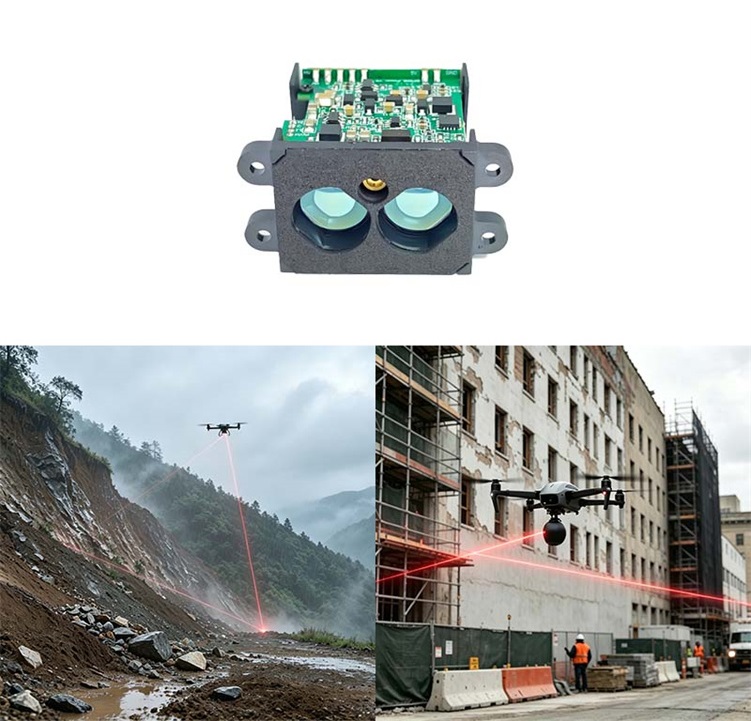
As the capabilities of IR range sensors grow, so do their applications in robotics. From autonomous vehicles navigating tricky city streets to drones surveying remote terrains, the potential is massive. We can also anticipate a rise in collaborative robots, or cobots, which could utilize these sensors to work safely alongside humans in manufacturing plants. The sky's the limit as industries explore innovative ways to integrate IR sensing in their workflows.
Impact of AI and Machine Learning
AI and machine learning are the trendy sidekicks to IR range sensing, making them a dynamic duo. By leveraging sophisticated algorithms, robots can process sensor data more efficiently and make smarter decisions on the fly. This synergy enables advancements such as object recognition and classification, allowing robots to interact with their environment in increasingly human-like ways. Expect to see a future where robots not only sense the world but understand and react to it with a degree of sophistication that’ll make your smartphone feel like yesterday’s news.
Challenges and Limitations of the 2026 IR Range Sensor
Environmental Sensitivity
Although the 2026 IR Range Sensor packs a punch, it isn't without its challenges. Environmental factors like dust, fog, and glare can hinder its performance, making it a bit temperamental in less-than-ideal conditions. Just like how a magician needs the right lighting to wow the audience, the sensor requires optimal environmental conditions to work its magic.
Cost and Manufacturing Challenges
As demand for advanced sensors surges, cost and manufacturing hurdles loom large. High-quality materials and precision engineering often come with a hefty price tag, which can deter smaller companies from entry into the market. Keeping production costs down while ensuring reliability and performance is like trying to bake a cake without flour—tricky at best.
Regulatory and Safety Considerations
The rapid advancement of IR range sensors means that regulatory and safety considerations must evolve accordingly. As these sensors gain traction in critical applications, ensuring compliance with regulations becomes paramount. Striking a balance between innovation and safety can sometimes feel like walking a tightrope—one misstep could lead to a plummet into the safety concern abyss.
Conclusion and Implications for Robotics Development
Summary of Key Takeaways
The 2026 IR Range Sensor is shaping up to be a pivotal player in the robotics realm. With its competitive edge over other sensing technologies, significant advancements on the horizon, and emerging applications, it’s clear that this sensor isn’t just a shiny gadget—it's a game-changer! However, challenges like environmental sensitivity, costs, and regulatory hurdles require careful navigation as this technology continues to evolve.
Future Research Directions
Future research should focus on enhancing the robustness of IR range sensors against environmental variables, developing cost-effective manufacturing processes, and ensuring compliance with safety regulations. Exploring AI integration to further bolster sensor performance will also play a critical role in the next chapter of robotics development. As the field progresses, researchers are encouraged to keep one eye on innovation and the other on the ethical implications—because in robotics, we can’t just build smarter machines; we have to build them responsibly too.In conclusion, the 2026 IR Range Sensor stands out as a pivotal technology in the evolution of LiDAR robotics, offering unparalleled accuracy and efficiency for a variety of applications. As industries continue to explore its potential, understanding its features, benefits, and limitations will be crucial for harnessing its full capabilities. With ongoing advancements in sensor technology, the future looks promising for the integration of such innovative solutions in robotics, paving the way for smarter, more automated systems.
Frequently Asked Questions
What is the range of the 2026 IR Range Sensor?
The 2026 IR Range Sensor is designed for short-range applications, typically operating effectively within a specified range that maximizes its accuracy at 1KHz sampling rate.
How does the 2026 IR Range Sensor compare to traditional LiDAR sensors?
The 2026 IR Range Sensor offers advantages such as higher resolution, real-time data acquisition, and improved cost-effectiveness, making it a compelling option compared to traditional LiDAR sensors.
What industries can benefit from using the 2026 IR Range Sensor?
Industries such as autonomous vehicles, industrial automation, and environmental monitoring are among those that can significantly benefit from the capabilities of the 2026 IR Range Sensor.
Are there any limitations associated with the 2026 IR Range Sensor?
Yes, like any technology, the 2026 IR Range Sensor faces challenges, including environmental sensitivity, manufacturing costs, and regulatory considerations that need to be addressed for optimal performance.
Chengdu JRT Main Distance Modules: Industrial Laser Distance Sensors, Outdoor Rangefinder Laser Module, Tof LiDAR Sensors, New Arrivals Laser Rangefinder Module.