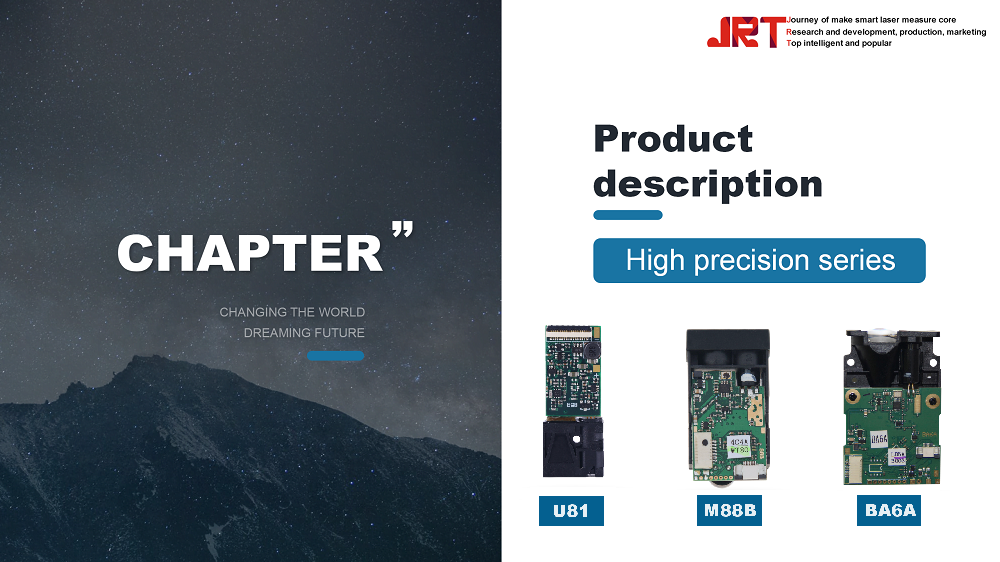
The JRT 1200m TTL Precision Laser Distance Measurement Sensor is a cutting-edge device designed for high-accuracy distance measurement across various applications. Operating at a rapid 115200bps, this sensor leverages advanced laser technology to provide precise measurements, making it an essential tool in industries such as construction, automation, and robotics. With its robust features, including a long measurement range and exceptional reliability, the JRT 1200m stands out in the competitive landscape of distance measurement technologies. This article delves into the key features, advantages, and practical applications of the JRT 1200m sensor, while also exploring its integration and maintenance, paving the way for understanding its significance in modern measurement solutions.
Overview of JRT 1200m TTL Precision Laser Distance Measurement Sensors
Introduction to Laser Distance Measurement
Laser distance measurement has revolutionized how we gauge space—no more guessing or squinting at tape measures! These handy devices use laser beams to calculate distances with superhuman accuracy. Relying on time-of-flight technology, they measure how long it takes for the laser to bounce back after hitting a target. This method is precise, fast, and can handle a variety of surfaces. Whether you're an engineer or just trying to see how far it is to your neighbor's yard, these sensors deliver consistent results.
What Sets the JRT 1200m Apart
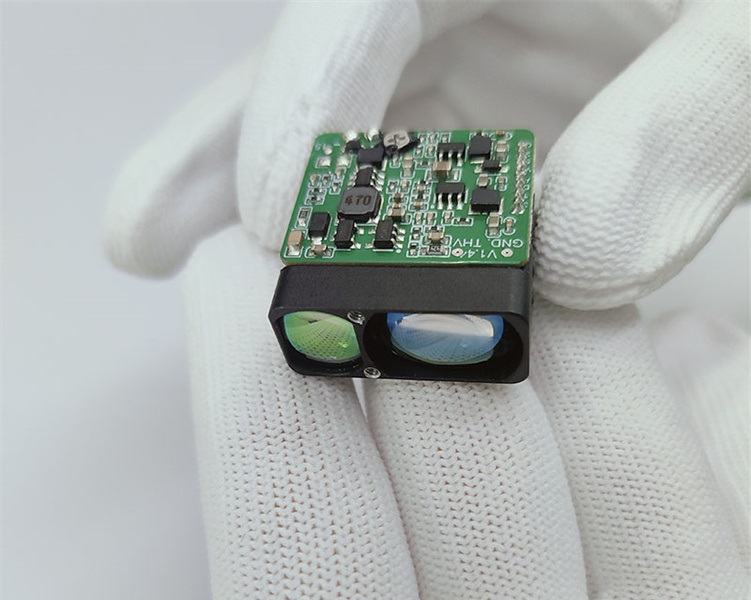
The JRT 1200m isn't just another face in the crowd; it’s the superstar of laser distance sensors. Boasting an impressive range of up to 1200 meters, this little dynamo delivers precision like a pro. It stands out not just for its distance but also for its TTL (Transistor-Transistor Logic) communication at a speedy 115200bps, making it not just fast but also reliable. With its compact design and high performance, it’s like the Swiss Army knife of laser measuring tools, ready to tackle any distance-related challenge that comes its way!
Key Features and Specifications
Measurement Range and Accuracy
The JRT 1200m sensor stretches the limits of measurement with a range from a mere few centimeters up to an impressive 1200 meters. It's as accurate as a hawk's eye, typically measuring within ±1 cm. Whether you're measuring in bright sunlight or dimly lit spaces, you can trust this laser to deliver results with a level of consistency that’ll make you wonder if it has a personal vendetta against inaccuracies.
Operational Environment and Durability
Built to withstand a range of environmental conditions, the JRT 1200m sensor is not one to shy away from a little adversity. It thrives in temperatures ranging from -10°C to 50°C (14°F to 122°F) and has a solid IP rating, ensuring dust and moisture stay on the outside where they belong. You could drop it in the mud (not recommended), and it would still measure distances like a champion. That’s durability you can count on!
Power Requirements and Consumption
Worried about battery life? The JRT 1200m is designed with efficiency in mind, typically requiring only 5V power while sucking a modest amount of current. This means you can measure distances for hours without fretting about recharging. It’s the eco-friendly option for those who want their measurements and their planet intact!
Advantages of Using TTL Communication at 115200bps
High-Speed Data Transfer Benefits
When it comes to data transfer, the JRT 1200m’s use of TTL communication at 115200bps is like graduating from dial-up to fiber optics. This high-speed connection ensures that distance measurements are relayed nearly instantaneously, allowing for seamless integration with other devices. Forget about waiting around for data—this sensor keeps you moving at the speed of light (well, almost).
Reliability of TTL Communication
TTL communication is reliable as a friend who always shows up with pizza on movie night. It minimizes data loss and interference, providing a stable connection even in environments with noise. With the JRT 1200m, you can say goodbye to hiccups in communication and hello to consistent, trustworthy performance.
Comparison with Other Communication Protocols
While other communication protocols like RS-232 and I2C have their merits, they often struggle with speed or complexity. TTL’s straight-to-the-point nature means fewer headaches; it’s plug-and-play simplicity at its best. The JRT 1200m leverages this advantage, proving that sometimes, sticking to what works is the best strategy.
Applications and Use Cases for JRT Laser Sensors
Industrial Automation
In the world of industrial automation, precision is king. The JRT 1200m laser distance sensor finds its place on production lines, ensuring that every machine and component is perfectly positioned. It’s like a maestro conducting an orchestra—everything running in harmony, up to the last millimeter.
Construction and Surveying
Surveyors and construction teams love the JRT 1200m like kids love candy! Its long range and accuracy make it ideal for measuring vast spaces and ensuring buildings are constructed precisely as planned. Whether laying foundations or checking heights, it’s the trusty assistant on every job site.
Robotics and Drones
Drones and robots are the cool kids on the block, and the JRT 1200m is their secret weapon. With the ability to measure distances swiftly, it helps these devices navigate through environments with the grace of a gazelle. Whether mapping landscapes or avoiding obstacles, this sensor ensures they fly and roll with confidence!
Comparison with Other Distance Measurement Technologies
Infrared vs. Laser Sensors
Infrared sensors are like that friend who always shows up late: they get the job done, but not without some delays. While they might work for short distances, their accuracy diminishes as the distance increases and in bright light. Enter laser sensors, the punctual ones of the group. JRT 1200m TTL precision laser sensors provide rapid and accurate measurements over much longer ranges, ensuring you're never left hanging in the balance. Plus, they aren’t deterred by light conditions, making them reliable in various environments.
Ultra-Sonic Sensors: Pros and Cons
Ultra-sonic sensors are the quirky ones—great at measuring distances with sound waves but often struggle in noisy environments or around soft surfaces that absorb sound. Their range is typically shorter, making them best for smaller applications. On the upside, they're generally cheaper and can measure objects that are difficult to see. However, when it comes to precision over longer distances, the JRT 1200m laser sensors take the crown, proving that sometimes, you get what you pay for.
Cost-Effectiveness Analysis
When comparing costs, laser sensors may seem like a splurge on the surface, but let’s take a closer look at the ROI. While infrared and ultrasonic sensors might have a lower upfront cost, their limited range and potential inaccuracies can lead to costly mistakes (think of measuring the wrong distance and having to re-do an entire project). The JRT 1200m laser sensor shines in efficiency and precision, ultimately saving you time and money in the long run. Investing in quality means fewer headaches down the line; it’s like paying a little extra for a solid mattress rather than ending up with back pain!
Installation and Integration Guidelines
Step-by-Step Installation Process
Installing the JRT 1200m sensor is a breeze, even for those who get nervous with instructions. Start by selecting a mounting location that gives a clear line of sight for optimal performance. Next, securely mount the sensor using the provided hardware, ensuring it’s level (we don’t want any wonky measurements, right?). Then, connect the sensor to your power source and communication line, and finally, power it up and calibrate it according to the user manual. Voila! You’re all set to measure like a pro.
Required Tools and Equipment
For your installation adventure, you’ll need a few trusty sidekicks: a drill for mounting, a screwdriver to tighten things up, and perhaps a level to ensure your sensor isn’t trying to measure from a slant. You may also want a multimeter for checking electrical connections. And don't forget your trusty user manual—your roadmap to success (or at least a less confusing installation).
Integration with Existing Systems
Integrating the JRT 1200m into existing systems is like adding a new member to a band; you want to ensure harmony. The sensor supports various communication protocols, so check your system’s compatibility (RS232, I2C, etc.). Once you've matched them up, it’s just a matter of configuring your settings, calibrating the sensor, and running a few tests. If all goes smoothly, you’ve successfully added a high-precision player to your tech ensemble!
Maintenance and Troubleshooting Tips
Routine Maintenance Procedures
Maintaining your JRT 1200m sensor isn’t complicated; think of it as giving your tech buddy a little TLC. Regularly check for any dust or debris on the lens—nobody likes a dirty window! Ensure that all connections are secure and inspect for any physical damage. A quick software update now and then is also a good practice to keep everything running smoothly. Just like a plant needs watering, your sensor needs a little attention!
Common Issues and Solutions
Like any piece of tech, sensors can have their hiccups. If your measurements seem off, first check for obstructions in the line of sight. Next, ensure the sensor is calibrated correctly; this is often the culprit of rogue readings. If you’re still having issues, double-check the firmware for updates. And if all else fails, give the power source a gentle poke (or check) because sometimes tech just needs a little reset!
When to Seek Professional Help
If you’ve tried all the troubleshooting tricks and your sensor is still acting more confused than a cat at a dog show, it might be time to call in the pros. Issues related to internal circuitry or outdated firmware can be tricky and require expert hands. Trust your gut—if something feels off and you’re not sure how to fix it, reaching out for professional help can save you time and potential frustration.
Future Trends in Distance Measurement Technology
Advancements in Sensor Accuracy
The future of distance measurement is bright—like, we need sunglasses to look at it kind of bright. With advancements in technology, we can expect laser sensors to continue improving in terms of accuracy and range. Future models will likely be able to measure even farther with greater precision, making the JRT 1200m sensor feel like a stepping stone in a long line of impressive innovations.
Integration with IoT and Smart Technologies
As we move further into the age of smart everything, expect distance measurement sensors to seamlessly integrate with IoT devices. Imagine a world where your sensor communicates with your smartphone to provide real-time data—no more running back and forth with a measuring tape! These smart integrations will not only enhance efficiency but also open up new possibilities for automation and remote monitoring.
Emerging Applications and Industries
From construction and architecture to agriculture and robotics, the applications for distance measurement technology are expanding faster than you can say "precision sensor." Industries are increasingly recognizing the benefits of accurate measurements, driving demand for technology like the JRT 1200m. As we push the boundaries of what’s possible, new use cases will emerge that we can only dream about today—so stay tuned!In conclusion, the JRT 1200m TTL Precision Laser Distance Measurement Sensor represents a significant advancement in the field of distance measurement technology. With its high-speed data transfer, impressive accuracy, and versatility across various applications, it is well-suited to meet the demands of modern industries. As technology continues to evolve, the JRT 1200m stands poised to play a crucial role in enhancing measurement capabilities, making it an invaluable asset for professionals seeking precision and reliability in their work.
Frequently Asked Questions
What is the maximum measurement range of the JRT 1200m sensor?
The JRT 1200m sensor offers a maximum measurement range of up to 1200 meters, making it suitable for a variety of applications that require long-distance measurement.
How does TTL communication enhance the performance of the JRT 1200m sensor?
TTL communication at 115200bps allows for high-speed data transfer, ensuring quick and reliable performance, which is essential for applications requiring real-time distance measurements.
What are the typical applications for the JRT 1200m laser sensor?
The JRT 1200m sensor is commonly used in industrial automation, construction, surveying, and robotics, where precise distance measurement is critical.
Is the JRT 1200m sensor easy to integrate with existing systems?
Yes, the JRT 1200m sensor is designed for easy integration, and it can be connected to various systems with minimal effort, making it user-friendly for different applications.
Chengdu JRT Main Ranging Modules: Industrial Laser Distance Sensors, Outdoor Rangefinder Laser Module, Tof LiDAR Sensors, New Arrivals Laser Rangefinder Module.