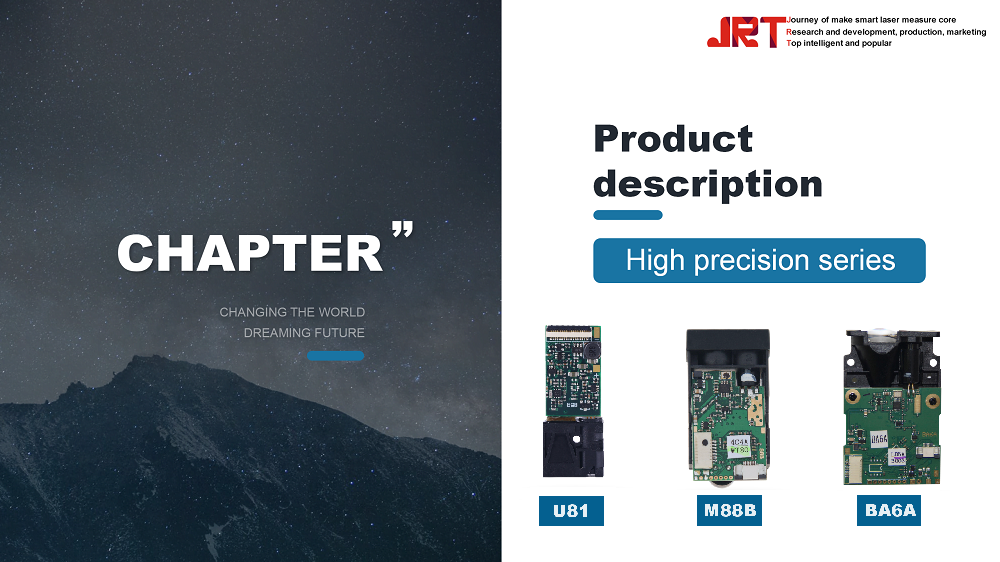
The introduction of the new 1064nm range finder sensor marks a significant advancement in precision measurement technology, offering an impressive 7000-meter range capability. This innovative laser rangefinder module is designed for versatile applications, including integration into binoculars and drones, as well as utilization in LiDAR systems. With enhanced accuracy and efficiency, this range sensor opens new doors for exploration, surveying, and tactical operations. As industries continue to adopt cutting-edge tools, understanding the features, applications, and future potential of the 1064nm rangefinder is essential for both professionals and enthusiasts alike.
Overview of the 1064nm Range Finder Sensor
What is a 1064nm Range Finder Sensor?
A 1064nm Range Finder Sensor is a specialized device that utilizes laser technology to measure distances with remarkable precision. Operating at a wavelength of 1064 nanometers, this distance sensor emits laser pulses and measures the time it takes for the light to bounce back from an object. It’s like playing a game of cosmic ping-pong, where the laser is the ball and the target is the paddle, but with much more serious implications than just bragging rights.
Importance of Wavelength in Range Finding
The wavelength of a laser plays a crucial role in range finding. At 1064nm, this range finder sensor offers a sweet spot between performance and atmospheric penetration. It’s less susceptible to interference from environmental factors like fog, rain, or dust. Think of it as using a special pair of glasses that lets you see clearly even when the weather’s having a rough day. This ensures accuracy and reliability, turning potential distance-determining disasters into smooth sailing.

Key Features of the 7000m Laser Rangefinder Module
Measurement Range and Accuracy
With an impressive measurement range of up to 7000 meters, this laser rangefinder module is not playing around. It's designed to provide precise distance measurements, making it suitable for everything from leisurely hikes to serious surveying work. Plus, with accuracy levels that will make even the most skeptical tech enthusiast nod in approval, it’s the perfect companion when you need exact measurements without the guesswork.
Power Consumption and Efficiency
In a world where battery life feels more like a race against time, this laser rangefinder module shines with its low power consumption. Designed for efficiency, it maximizes performance while minimizing battery drain, ensuring you won’t be left stranded in the wild without juice. Think of it as the tortoise in the race, slow and steady wins the day—but with laser-sharp focus!
Durability and Weather Resistance
If you’re planning to take your rangefinder on adventures, you need something that can handle a little rough and tumble. This module is built to withstand the elements, boasting weather-resistant qualities that would make even the hardiest of outdoor enthusiasts smile. Whether it’s rain, snow, or an unexpected splash from a nearby stream, this rangefinder is ready to keep measuring, proving that sometimes, durability is the best feature of all.
Applications in Binoculars
Enhanced Target Detection
When integrated into binoculars, the 1064nm range finder sensor significantly enhances target detection. Imagine scanning the horizon and instantly knowing the distance to that elusive deer or distant mountain peak. It adds a layer of intelligence to your viewing experience, effectively turning you into a high-tech explorer. No more squinting and guessing—just target acquired!
Use in Outdoor Activities
For outdoor enthusiasts, whether you’re hiking, hunting, or simply birdwatching, the inclusion of this rangefinder sensor in binoculars can transform your experience. It helps gauge distances and plan routes with accuracy, allowing for a more informed and enjoyable adventure. Plus, it helps to avoid those embarrassing moments when you think you're closer to the snack stand than you actually are—no one wants to miss out on snacks!
Binoculars Uses
In binoculars applications, precision is paramount, and the integration of a 1064nm rangefinder in binoculars enhances measurement effectiveness. It provides for your measuring project with the ability to assess distances quickly and accurately, which can be the difference between success and failure in mission-critical scenarios. With this technology, monitoring the distance in time, kind of like having a stealthy GPS right in your hands.
Integration with Drones
Importance of Lightweight Ranging Sensors
In the drone revolution, weight is the enemy. The 7000m laser rangefinder module is designed to be lightweight, making it an ideal choice for drone integration. By keeping things feather-light, it ensures that drones can maintain optimal flight time and agility. After all, nobody wants to be the drone that’s too heavy to hover gracefully.
Real-time Data Processing Capabilities
One of the standout features of integrating this rangefinder with drones is its real-time data processing capabilities. This means that as the drone flies, it can instantly analyze distance data and relay that information back to the operator. It’s like having a super-smart co-pilot who’s always got your back, providing critical insights as you scout out new territories or inspect critical infrastructure.
Surveying and Mapping Applications
Drones equipped with this rangefinder module are game-changers in the fields of surveying and mapping. With precise distance measurements at their disposal, they can create detailed 3D maps and gather data for land surveys faster and more accurately than traditional methods. It’s like having a high-tech treasure map that not only tells you where to go but also makes the ride as smooth as possible—pirate hat not included!

Advantages of LiDAR Technology
High Precision and Detail
LiDAR technology is the high-precision diva of the survey world. With the new 1064nm range finder sensor, users can expect to spot and measure objects with remarkable accuracy, down to the millimeter. This precision is particularly beneficial in applications such as forestry management and urban planning, where even the slightest error can lead to big headaches.
Speed of Data Acquisition
Who has time to wait around for data? Not us! Thanks to the snappy performance of the 7000m laser rangefinder module, data acquisition occurs in milliseconds. This speed means you can blitz through your surveys without sacrificing quality, making it perfect for fast-paced projects or those pesky deadlines that seem to multiply like rabbits.
3D Mapping Capabilities
Why settle for boring, flat maps when you can have a dazzling 3D representation of your surveyed area? The new laser measuring sensor brings a whole new dimension (literally) to mapping with its ability to create intricate 3D models. This feature is a game-changer for industries like civil engineering and environmental monitoring, allowing for better analysis and decision-making.
Performance Specifications
Operational Range and Limitations
The 7000m operational range of the new range finder sensor is impressive, but don’t let that fool you—every superhero has its kryptonite. While it excels in open spaces, dense foliage and atmospheric conditions can challenge its performance. Familiarizing yourself with these limitations can save you from frustration (and perhaps a few choice words) during your fieldwork.
Signal Processing Techniques
Behind every successful LiDAR scan is a cocktail of sophisticated signal processing techniques. This magical mix enhances signal quality, filters out noise, and optimizes data integrity. Think of it as the chef making sure all the ingredients come together harmoniously, transforming raw data into a delectable dish of actionable insights.
Calibration and Maintenance
Even the fanciest gadgets need a little TLC! Regular calibration and maintenance of the LiDAR sensor are essential to ensure it operates at peak performance. Setting aside some time for routine checks may seem like a chore, but in the long run, it pays off in spades. After all, nothing ruins a project faster than a measurement sensor that’s lost its bearings.
Comparison with Traditional Rangefinders Sensor
Technological Advancements
When it comes to traditional rangefinders, the new LiDAR technology is like comparing a smartphone to a flip phone. LiDAR boasts advanced features like real-time data processing and 3D imaging, while traditional models lag behind with basic functionalities. It’s clear that if you're not ready to embrace the future, you might just get left in the dust!
Cost-Effectiveness
While the initial investment in LiDAR technology might make your wallet weep, consider it a long-term savings plan. Traditional rangefinders often require frequent replacements and manual labor, which can add up. With LiDAR, you gain efficiency, speed, and precision, ultimately making it a savvy financial choice for professionals looking to streamline their operations.
Usability in Various Environments
From dense forests to urban jungles, the versatility of LiDAR shines bright. Unlike traditional rangefinders, which can struggle in complicated environments, the new ir long range sensor adapts effortlessly. Whether you're surveying a mountain range or mapping out a crowded city, this tech can tackle it all, proving it’s not just a pretty face.
Future Trends and Innovations
Emerging Technologies in Rangefinding
The world of rangefinding is swiftly evolving, with innovations like artificial intelligence integrated into LiDAR systems. Expect enhanced data interpretation, automated adjustments, and perhaps even a self-aware rangefinder that can anticipate your every need (well, maybe not quite yet, but who knows?).
Potential Market Growth and Applications
The market for LiDAR technology is poised for explosive growth. As industries increasingly recognize its value, applications are multiplying rapidly—from construction and agriculture to disaster management and archaeology. The sky's the limit, meaning anyone who hops on this bandwagon early could be riding a wave of opportunity.
Challenges and Opportunities Ahead
With every shiny new tech comes challenges, and LiDAR is no exception. Issues such as data processing demands and integration with existing systems can pose hurdles. However, these challenges also present opportunities for innovation and improvement, paving the way for solutions that could reshape the landscape of surveying and mapping. It's a rollercoaster ride, but we're in for an exhilarating journey!In conclusion, the new 1064nm range finder sensor represents a remarkable leap in laser rangefinding technology, offering unmatched precision and versatility for various applications. Its integration into binoculars and drones, along with its effectiveness in LiDAR systems, showcases its potential to revolutionize fields ranging from outdoor recreation to professional surveying. As advancements continue to emerge, the adoption of such innovative tools will undoubtedly enhance our ability to measure and analyze the world around us.
Frequently Asked Questions (FAQ)
What is the maximum range of the 1064nm laser rangefinder sensor?
The maximum range of the 1064nm laser range finder sensor is 7000 meters, providing extensive measurement capabilities for various applications.
How does the 1064nm wavelength benefit rangefinding?
The 1064nm wavelength offers better penetration through atmospheric conditions and improved accuracy in measurements compared to other wavelengths, making it ideal for long-range applications.
Can this rangefinder sensor be easily integrated into existing drone systems?
Yes, the 1064nm range finder sensor is designed to be lightweight and compatible with various drone systems, allowing for straightforward integration and real-time data processing.
What industries can benefit from this technology?
Industries such as surveying, agriculture, forestry, and defense can benefit significantly from the enhanced precision and efficiency offered by the 1064nm rangefinder sensor.
Chengdu JRT Main Ranging Modules: Industrial Laser Distance Sensors, Outdoor Rangefinder Laser Module, Tof LiDAR Sensors, New Arrivals Laser Rangefinder Module.