The JRT 1535nm 3KM Long Distance Infrared Sensor represents a significant advancement in infrared technology, offering unparalleled detection capabilities over long distances. With its unique 1535nm wavelength, this sensor minimizes atmospheric interference, making it ideal for a wide range of applications, from industrial monitoring to military surveillance. As industries increasingly rely on precise and efficient sensing solutions, understanding the key features, advantages, and practical applications of the JRT sensor becomes essential for leveraging its full potential. This article delves into the various aspects of the JRT 1535nm sensor, providing insights into its specifications, installation guidelines, and future developments in infrared sensor technology.
Overview of JRT 1535nm 3KM Long Distance Infrared Sensor
What is the JRT 1535nm Sensor?
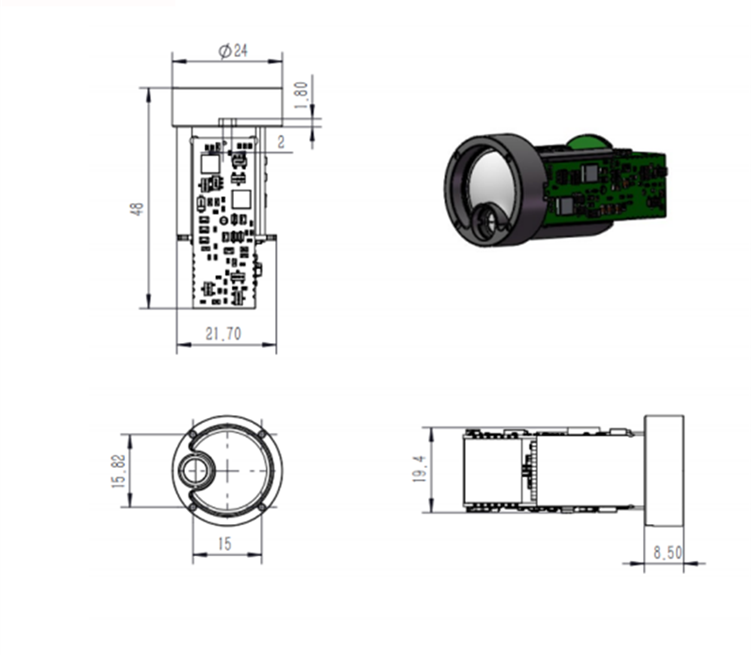
The JRT 1535nm sensor is a long-range infrared sensor designed to detect heat signatures up to 3 kilometers away. Think of it as your trusty pair of binoculars, but instead of looking at visible light, it's peering into the thermal world. With a wavelength of 1535nm, this sensor is specifically engineered to provide detailed thermal readings, making it an invaluable tool across various industries.
Technical Background of Infrared Technology
Infrared technology is like that friend who shows up to a party uninvited but ends up being the life of the bash. It operates on the principle that all objects emit infrared radiation based on their temperature. The JRT 1535nm sensor exploits this phenomenon by capturing the emitted infrared radiation and converting it into data. This allows it to spot heat signatures, whether it's a warm body lurking in the shadows or an overheating machine. Simply put, it’s the tech equivalent of having superhuman senses!
Key Features and Specifications
Detection Range and Accuracy
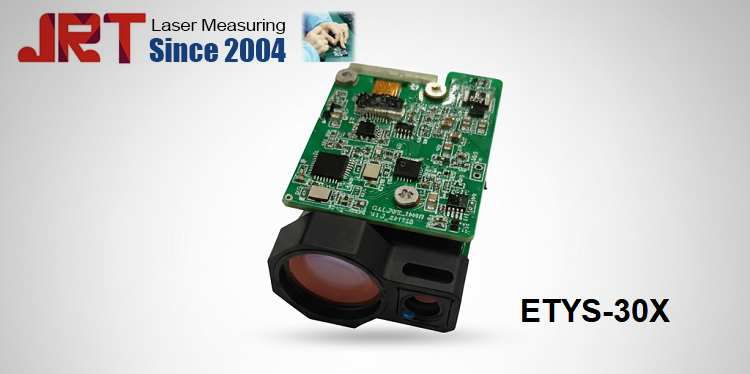
The JRT 1535nm sensor boasts a detection range of up to 3 kilometers, making it a champion in spotting heat from afar. It combines high sensitivity with precise measurements, ensuring you get accurate readings without the guesswork. Whether you're tracking wildlife or monitoring equipment, you can count on this sensor not to miss a beat—or a thermal signature!
Power Requirements and Efficiency
When it comes to power, the JRT 1535nm sensor is as efficient as a well-oiled machine. It operates on minimal power consumption, which is a win-win for both the environment and your wallet. This efficiency allows for prolonged usage, which is especially handy for long-term monitoring projects where frequent recharging is about as welcome as a mosquito at a picnic.
Durability and Environmental Considerations
Built to withstand the elements, the JRT 1535nm sensor is designed with durability in mind. Whether it’s extreme heat, cold, or anything in between, this sensor is like a seasoned outdoor adventurer, ready to take on whatever Mother Nature throws at it. Its robust construction ensures it won't back down when the going gets tough, making it ideal for both outdoor and industrial applications.
Applications of the JRT Infrared Sensor
Industrial Applications
In the industrial sector, the JRT 1535nm sensor is a game changer. From monitoring machinery for overheating to ensuring safety in manufacturing environments, this sensor enhances operational efficiency. It's like having a safety net that keeps an eye on potential issues before they spiral out of control.
Security Use Cases
For security, the JRT 1535nm sensor provides critical capabilities in distance monitoring. Its ability to detect heat signatures from long distances enables advantages in various operations. When precision are paramount, this laser range sensor acts like the silent guardian, always alert, always vigilant.
Environmental Monitoring
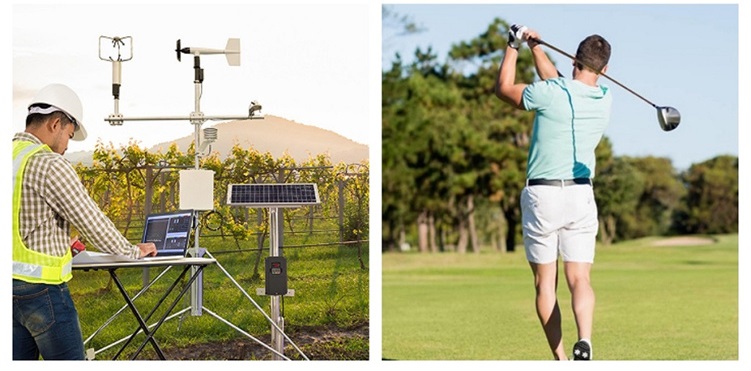
Environmental enthusiasts rejoice! The JRT 1535nm sensor is a key player in monitoring wildlife, studying climate change, and assessing natural disasters. Its capacity to detect temperature variations makes it invaluable in ecological research, helping scientists and conservationists keep tabs on nature's pulse without disrupting it.
Advantages of Using 1535nm Wavelength
Reduced Atmospheric Interference
The 1535nm wavelength is a superstar when it comes to reducing atmospheric interference. This means better performance in various weather conditions, from hazy days to rainy nights. Your readings will remain clear and reliable, much like the plot of a good mystery novel—no surprises, just the facts!
Enhanced Detection Capabilities
At 1535nm, the JRT sensor capitalizes on enhanced detection capabilities, especially for objects that emit less heat. This wavelength significantly improves thermal contrast, allowing for better differentiation between targets and their backgrounds. It's like having a powerful flashlight in a dark room—everything becomes clearer!
Safety Benefits of Non-Ionizing Radiation
When it comes to safety, the 1535nm wavelength offers the peace of mind that comes with using non-ionizing radiation. Unlike certain types of radiation that can potentially cause harm, this wavelength is safe for both operators and the environment. You can feel good knowing you're using a tool that won't pose health risks while still delivering top-notch performance.
Comparison with Other Long-Distance Sensors
Performance Metrics Against Competitors
When it comes to performance, the JRT 1535nm 3KM Long Distance Infrared Sensor stands tall and proud. With a detection range that can reach up to 3 kilometers, it outshines many competitors that often fizzle out at around 1 to 2 kilometers. Add to that its superior temperature sensitivity and faster response time, and you have a winner in the long-distance arena. While other sensors might trip over their own specs, the JRT 1535nm boasts reliability and accuracy, making it the Usain Bolt of the sensor world.
Cost-Effectiveness Analysis
Let’s talk numbers because, let's face it, everyone loves a good bargain. The JRT 1535nm sensor packs a punch not just in performance but in pricing too. Compared to similar long-distance sensors that can leave your wallet feeling skinny, the JRT provides a solid blend of quality and affordability. When you factor in its exceptional durability and low maintenance needs, the long-term savings become crystal clear. In short, your budget will thank you as you efficiently monitor long distances without breaking the bank.
User Feedback and Reviews
User feedback for the JRT 1535nm has been overwhelmingly positive, resembling a cozy campfire where everyone shares their best stories. Users rave about its ease of use, consistent performance, and the “wow” factor of spotting things that would have otherwise been "just a blur" in the distance. Some have even gone as far as to say that it has revolutionized their operations, and when a sensor is praised like that, it's time to pay attention. Just don’t forget to throw in a “thank you” to the tech gods.
Installation and Integration Guidelines
Required Tools and Equipment
Before diving into the installation of the JRT 1535nm sensor, you’ll want to gather a few key tools that will make the process smoother than a well-oiled machine. You’ll need a drill, appropriate mounting hardware, a screwdriver (or two), and perhaps some wire strippers if you’re feeling particularly ambitious. Don't forget a good old measuring tape to ensure you’re installing your sensor at just the right distance—too far, and it’s a no-show; too close, and it’s a snoop.
Step-by-Step Installation Process
1. **Choose Your Spot:** Find a location with an unobstructed view (think of it as giving your sensor a prime real estate listing).
2. **Mount the Sensor:** Use your drill and screws to secure the sensor to its intended surface. Make sure it's stable—nobody likes a wobbly sensor.
3. **Connect the Wiring:** Strip and connect the wires according to the manual. This part can feel like a game of Twister, but it’s essential for functionality.
4. **Test the Setup:** Power it up and run a few tests to ensure everything is shipshape before patting yourself on the back for a job well done.
Best Practices for Integration
When integrating the JRT 1535nm sensor into your existing systems, think of it as introducing a new family member who will be living with you for a while. Make sure to configure the software settings for optimal performance—nobody likes awkward misunderstandings at family gatherings. Regularly check the sensor’s calibration and keep its firmware up to date to ensure it stays on its A-game. And remember, communication is key! Make sure that your sensor can share its newfound knowledge with other systems for seamless operation.
Case Studies and Success Stories
Real-World Implementations
The JRT 1535nm sensor has seen action in various sectors, from agriculture monitoring to security surveillance. In one case study, a large agricultural firm utilized the sensor to monitor crop health over vast fields, resulting in a notable increase in yield and a delightful decrease in wasted resources. Meanwhile, a security agency deployed it in an installation that needed to cover several kilometers of coastline, giving them peace of mind and a higher success rate in monitoring activities. It’s safe to say that these real-world implementations have shown this sensor to be a trustworthy sidekick.
Quantifiable Benefits Achieved
The metrics tell the story: users have reported reductions in operational costs by up to 30% while achieving improved monitoring capabilities. In terms of efficiency, the JRT 1535nm sensor has increased detection rates by up to 50% compared to previous technologies used. Clearly, these quantifiable benefits aren't just numbers on a spreadsheet; they translate into real savings and performance boosts that would make any manager smile.
User Testimonials
“I’m not crying; you’re crying!” is pretty much how many users have felt after implementing the JRT 1535nm sensor. Testimonials highlight not only its reliability but also its user-friendliness. One user noted, “It’s like having a pair of super-powered binoculars, but I don’t have to squint!" Another chimed in, “Game-changer! My team’s productivity has never been higher!” With such heartfelt praise, it’s clear this sensor has won the hearts of many.
Future Developments in Infrared Sensor Technology
Emerging Trends in Sensor Technology
Let’s peep into our crystal ball! Emerging trends indicate a shift towards increasingly compact sensors that pack more power into smaller packages. We’re also seeing a rise in sensors that can communicate with one another, creating a network of eyes in the sky (or the ground!). As technology advances, incorporating additional functionalities such as real-time data analytics is also becoming the new norm—this isn't your grandpa's sensor anymore!
Predicted Innovations for JRT Sensors
Looking ahead, we predict the JRT line will embrace advanced materials that enhance durability and expand capabilities beyond current limits. Imagine sensors equipped with built-in AI that can learn environmental changes and adapt accordingly. If that doesn’t sound like something out of a sci-fi movie, we don’t know what does! With these innovations on the horizon, JRT sensors are poised to lead the charge into the future.
Impact of AI and Machine Learning on Sensor Development
AI and machine learning are like the rocket fuel for the future of sensor technology. With these advancements, sensors will not just collect data but also analyze and interpret it in real-time. Think of it as your sensor getting a brain upgrade! This could lead to automatic adjustments based on environmental changes and usage patterns, making them more intuitive and effective. The days of merely detecting are on their way out, and the dawn of smart sensors is fast approaching!In conclusion, the JRT 1535nm 3KM Long Distance Infrared Sensor stands out as a cutting-edge solution for various demanding applications, offering impressive range and accuracy. Its unique features and advantages make it a valuable asset across multiple industries, from security to environmental monitoring. As technology continues to evolve, leveraging the capabilities of this sensor can lead to enhanced performance and innovative solutions. Embracing such advancements will not only improve operational efficiency but also pave the way for future developments in infrared technology.
Frequently Asked Questions
What is the maximum detection range of the JRT 1535nm sensor?
The JRT 1535nm sensor has a maximum detection range of up to 3 kilometers, making it suitable for long-distance applications.
Is the JRT 1535nm sensor suitable for outdoor use?
Yes, the JRT 1535nm sensor is designed to operate effectively in various environmental conditions, including outdoor settings.
How does the 1535nm wavelength benefit detection capabilities?
The 1535nm wavelength minimizes atmospheric interference, allowing for improved detection accuracy and reliability over longer distances.
Can the JRT sensor be integrated with existing systems?
Yes, the JRT 1535nm sensor can be integrated with existing monitoring and control systems, provided that the appropriate installation guidelines are followed.
Chengdu JRT Main Ranging Modules: Industrial Laser Distance Sensors, Outdoor Rangefinder Laser Module, Tof LiDAR Sensors.