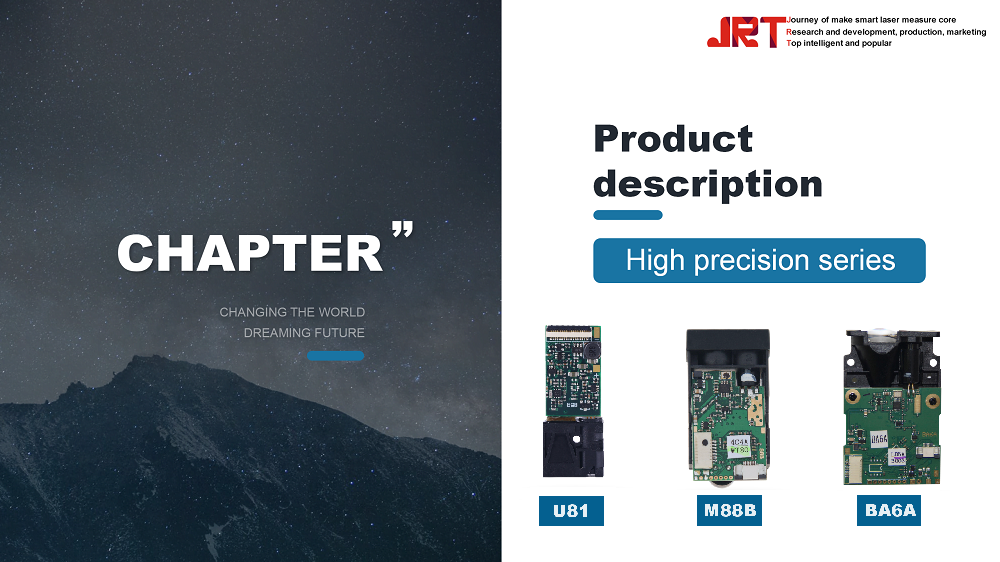
The automotive industry is undergoing a significant transformation, driven by advancements in technology that enhance vehicle safety and operational efficiency. Among these innovations, the DTOF (Direct Time of Flight) 500Hz 50m Automotive Radar Detection Range Sensor stands out as a groundbreaking solution designed to improve situational awareness in vehicles. This sensor employs cutting-edge radar technology to provide high-precision detection capabilities, enabling vehicles to identify obstacles and navigate complex environments with greater accuracy. As the demand for autonomous driving and advanced driver-assistance systems (ADAS) continues to grow, understanding the features, advantages, and potential applications of the DTOF sensor becomes crucial for manufacturers and consumers alike. This article delves into the intricacies of this sensor, exploring its specifications, benefits, and the future it holds for the automotive landscape.

Overview of DTOF 500Hz 50m Automotive Radar Detection Range Sensor
Introduction to DTOF Technology
DTOF, or "Direct Time-of-Flight," technology marks a leap forward in automotive radar systems. This nifty tech measures the time it takes for a radar signal to bounce back from objects, allowing for an accurate understanding of distance in real-time. Think of it as your car's personal space bubble monitor—keeping tabs on everything around it, from pesky pedestrians to those errant shopping carts in parking lots.
Purpose and Scope of the Sensor
The DTOF 500Hz 50m Automotive Radar Detection Range Sensor is designed to enhance vehicle safety and performance. Its purpose? To detect objects within a 50-meter range at an impressive frequency of 500Hz. This means it can send out signals and receive reflections faster than you can say "accident avoidance." With applications ranging from adaptive cruise control to fully autonomous driving systems, this sensor is ready to make roads a little safer (and a lot cooler).
Key Features and Specifications
Detection Range and Frequency
With a detection range of up to 50 meters, the DTOF sensor doesn't miss a beat—or a speed bump! Operating at 500Hz means it’s constantly scanning the environment, making it ideal for dynamic driving scenarios. Whether it’s a sudden stop or a bustling intersection, this sensor has your back.
Dimensions and Weight
Compact and lightweight, the DTOF sensor is designed with automotive applications in mind. While exact dimensions may vary, you can expect it to fit snugly into various vehicle designs without adding unnecessary bulk. If only fitting into those skinny jeans was just as easy!

Power Requirements
This radar sensor is not a power hog. Operating with low energy consumption, it easily integrates into existing automotive electrical systems without draining your battery. A happy sensor makes for a happy car—and a happier driver!
Advantages of DTOF Technology in Automotive Applications
High Precision and Accuracy
One of the standout features of DTOF technology is its unparalleled precision. By measuring distances with incredible accuracy, it significantly reduces false positives, ensuring that your car only reacts to genuine obstacles. After all, nobody wants their vehicle to panic at a butterfly flitting across the road!
Real-time Data Processing
Forget about lagging sensors that leave you guessing. The DTOF sensor processes data in real-time, providing immediate feedback to your vehicle's control systems. This rapid response is essential for making quick decisions—like avoiding that squirrel that just darted across the street.
Resistance to Environmental Interference
Rain, fog, or even a blizzard? No problem! DTOF technology boasts impressive resistance to environmental interference, ensuring reliable performance in various weather conditions. It's like having an extra pair of eyes that can see through the muck and mire of Mother Nature.
Comparison with Traditional Radar Sensors
Performance Metrics
When it comes to performance, DTOF sensors take the crown. With superior detection range, accuracy, and response time compared to traditional radar sensors, they leave the competition in the dust—much like a sports car speeding away from a sedan at a stoplight.
Cost-Benefit Analysis
While DTOF sensors may come with a higher price tag upfront, think of them as an investment in safety and technology. The enhanced features lead to better performance and can potentially save costs related to accidents and insurance premiums down the line. Safety isn’t just priceless; it can also be financially wise!
Limitations of Traditional Sensors
Traditional radar sensors often struggle with accuracy and detection in complex environments. Their slower response time can lead to missed obstacles, resulting in less effective safety measures. Plus, their susceptibility to environmental factors can leave drivers feeling more on edge than a cat at a dog park.
Applications in Autonomous Vehicles and Advanced Driver-Assistance Systems (ADAS)
Obstacle Detection and Avoidance
The DTOF 500Hz radar sensor is a game-changer for obstacle detection and avoidance. It can reliably spot everything from sneaky squirrels crossing the road to the less adorable driver who’s decided their lane is optional. With its impressive 50m detection range, vehicles can make real-time decisions, ensuring a smoother ride without any unexpected game of chicken.
Traffic Monitoring and Management
Ever wondered why traffic jams feel like they have a life of their own? Enter the DTOF radar sensor. By monitoring vehicle flow and density, it provides data that can be used for smarter traffic management systems. This means cities can optimize traffic signals and reduce congestion—hopefully allowing you to get home in time to catch that all-important episode of your favorite show!
Integration with Other Sensor Technologies
The DTOF sensor doesn’t just play well with others; it’s the life of the party! When combined with existing technologies like cameras and LiDAR, it enhances overall vehicle perception. This integration leads to a more comprehensive understanding of surroundings, enabling cars to make better-informed decisions—because nobody wants to learn the hard way that a pothole is deeper than it looks.

Installation and Integration Guidelines
Pre-installation Requirements
Before diving into installation, ensure you have all the essentials: the DTOF sensor itself, the right tools, and maybe a cup of coffee (or two). Additionally, check your vehicle's compatibility and familiarize yourself with the manufacturer's guidelines. Because let’s face it, nobody wants to be that person scouring YouTube for how-to videos at 2 AM.
Step-by-Step Installation Process
1. **Choose Your Location**: Find the ideal spot for the sensor—usually around the front grille or bumper.
2. **Mounting**: Securely attach the sensor, ensuring it’s level. A crooked sensor is like a crooked tie—no one takes you seriously.
3. **Wiring**: Connect the wiring harness to the vehicle’s electrical system, following color codes to avoid surprises.
4. **Final Setup**: Attach any protective coverings and make sure the sensor is clean—dirt doesn't help anyone's vision.
Calibration and Testing Procedures
Once installed, it’s time for calibration—this step is crucial! Follow the calibration instructions provided by the manufacturer. After calibration, take the vehicle for a test drive in a controlled environment to ensure the sensor is detecting correctly. Remember, this isn’t just a dashboard ornament; it should be working as hard as you are (or harder).
Future Trends in Automotive Radar Technology
Innovations in DTOF Technology
The future of DTOF technology is bright, with ongoing innovations focusing on increased accuracy, smaller form factors, and improved detection capabilities. Imagine a sensor that can differentiate between a plastic bag and an actual emergency—it’s coming!
Impact of AI and Machine Learning
AI and machine learning are the dynamic duo of modern tech, and automotive radar is no exception. By leveraging these technologies, sensors will learn from every detection, improving their functionality over time. This means fewer false alarms and more accurate readings—so you can finally relax about your car’s safety features getting an unexpected upgrade.
Market Projections and Growth Opportunities
The automotive radar market is set to zoom ahead, like a sports car at a green light. With the rise in demand for autonomous vehicles and more sophisticated ADAS, the growth opportunities are astronomical. Investors and innovators are paying close attention—you might even say the radar is on the radar!
Conclusion and Implications for the Automotive Industry
Summary of Key Takeaways
The DTOF 500Hz sensor is revolutionizing how we think about vehicle safety and efficiency. From enhanced obstacle detection to seamless integration with other technologies, it’s clear that this sensor is here to stay. And honestly, it’s about time we let our cars do the heavy lifting.
Future Outlook for Automotive Safety and Efficiency
As automotive technology continues to advance, the road ahead looks promising. With innovations like the DTOF radar sensor, we can expect safer roads, more efficient traffic management, and, dare we say, happier drivers. So buckle up—the future of automotive safety is not just around the corner; it’s coming at you at 500Hz!In conclusion, the DTOF 500Hz 50m Automotive Radar Detection Range Sensor represents a significant leap forward in automotive safety and technology. Its advanced features and capabilities not only enhance vehicle performance but also pave the way for a future where autonomous driving becomes a reality. As the automotive sector continues to evolve, embracing such innovative technologies will be essential for improving driver assistance systems and overall road safety. The insights shared in this article highlight the importance of staying informed about these advancements as we navigate the future of transportation.
Frequently Asked Questions
What is the range of the DTOF 500Hz automotive radar sensor?
The DTOF 500Hz sensor has a detection range of up to 50 meters, allowing for effective obstacle detection and navigation in various driving conditions.
How does DTOF technology differ from traditional radar systems?
DTOF technology utilizes direct time-of-flight measurements for higher precision and faster data processing, resulting in improved accuracy and response times compared to traditional radar systems.
Can the DTOF sensor be integrated with existing driver-assistance systems?
Yes, the DTOF sensor is designed for easy integration with existing advanced driver-assistance systems (ADAS), enhancing their capabilities without requiring a complete system overhaul.
What are the primary applications of the DTOF radar sensor in vehicles?
The primary applications include obstacle detection, traffic monitoring, and improved navigation for autonomous vehicles, contributing to enhanced safety and operational efficiency on the road.
Chengdu JRT Main Ranging Module: Industrial Laser Distance Sensors, Rangefinder Sensor , Tof LiDAR Sensors.