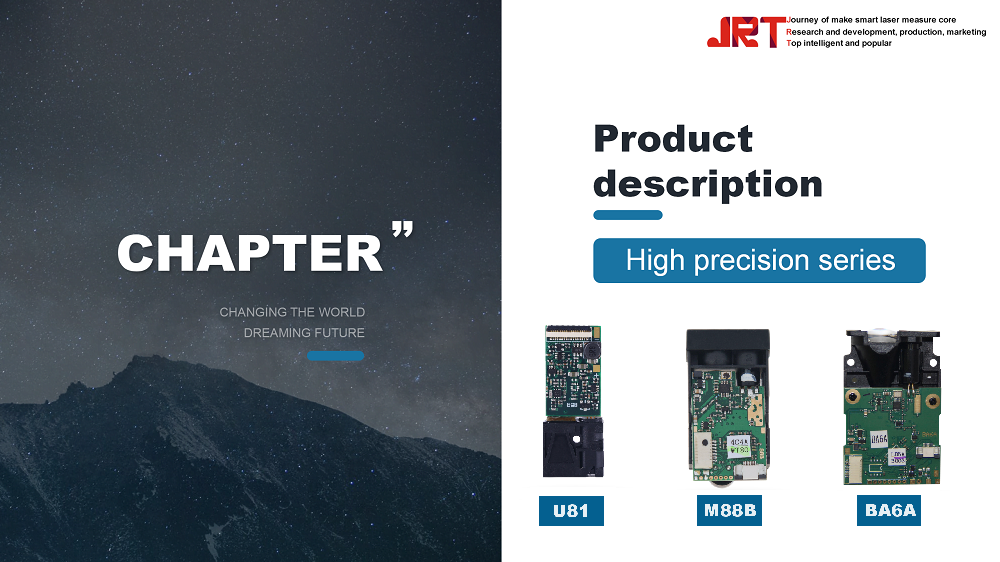
In the evolving landscape of sensor technology, the 2026 introduction of the 1800m infrared long photoelectric sensor marks a significant advancement, offering enhanced range and precision for various applications. These sensors utilize cutting-edge infrared technology to detect objects and changes in their environment over extended distances, making them indispensable in industries such as automation, security, and environmental monitoring. As demand for reliable and efficient sensing solutions grows, understanding the features, benefits, and practical applications of this innovative sensor becomes crucial for businesses and professionals seeking to optimize their operations and enhance safety measures. This article delves into the key aspects of the 1800m infrared long photoelectric sensor, exploring its specifications, advantages, and future trends in a rapidly advancing technological landscape.
Overview of 1800m Infrared Long Photoelectric Sensors
Definition and Functionality
1800m infrared long photoelectric sensors are like the eyes of a ninja; they see everything from a distance without making a sound. These sensors use infrared light to detect objects and measure distances up to 1800 meters. They function by emitting infrared rays and analyzing the reflected signals to determine the presence, position, or movement of objects, making them invaluable for applications requiring precision and long-range detection.
Technological Innovations
Recent advancements in sensor technology have transformed these 1800m infrared sensors from simple gadgets to sophisticated devices. Innovations include enhanced signal processing algorithms that filter out noise, advanced optics for better accuracy, and miniaturization techniques that allow for integration into various systems. With these upgrades, these sensors now boast improved reliability and durability, making them indispensable in modern applications.
Key Features and Specifications
Detection Range and Accuracy
The hallmark of the 1800m infrared sensors is their impressive detection range of up to 1800 meters. This extended range doesn’t compromise accuracy; they maintain a high degree of precision in detecting even the slightest movements. Users can expect reliable performance that is both consistent and trustworthy, like your best friend who always remembers your birthday (even when you forget theirs).
Operating Conditions and Environment
These sensors are designed to thrive in diverse environments—from bustling factories to serene parks. They can withstand extreme temperatures, humidity, and even dust, making them adaptable to various settings. Whether it’s a snowy winter day or a hot summer afternoon, these sensors remain steadfast in delivering accurate readings without breaking a sweat.
Power Consumption and Efficiency
One of the standout features of the 1800m infrared sensors is their energy efficiency. They’re designed to consume minimal power while maximizing performance, meaning you can keep them running without feeling the pressure on your electric bill. This efficiency is particularly beneficial in remote applications where power sources may be limited, allowing for prolonged use without frequent battery changes.

Applications of 1800m Infrared Sensors
Industrial Automation
In the world of industrial automation, these sensors are the unsung heroes that keep the wheels turning smoothly. They monitor machinery, detect objects on assembly lines, and ensure safety protocols are followed—all from a distance. With their long-range capabilities, they help streamline operations while minimizing downtime, making factories more efficient and less chaotic.
Security and Surveillance
If you need an extra pair of eyes for your security systems, look no further. The 1800m infrared sensors are perfect for surveillance applications where spotting intruders or monitoring large areas is essential. Their extended detection range allows for comprehensive coverage, keeping homes and businesses safe while allowing you to binge-watch your favorite series without a worry in the world.
Environmental Monitoring
From measuring air quality to detecting wildlife movements, these sensors play a crucial role in environmental monitoring. Researchers and conservationists utilize them to gather data over vast areas, conducting studies without disturbing the natural habitat. It’s technology doing its part to protect the planet, proving that even sensors can be eco-warriors!
Advantages of Long-Range Photoelectric Sensing
Enhanced Detection Capabilities
The extended range of 1800m infrared sensors translates to superior detection capabilities. This means they can spot objects and movements that typical sensors might miss, leading to better-informed decisions and actions in various applications. When it comes to detection prowess, these sensors are overachievers in a world of average performers.
Cost-Effectiveness and ROI
Investing in 1800m infrared sensors is a savvy move for any business. Their durability and reliability lead to lower maintenance costs and increased operational efficiency. The long-term savings on energy and upkeep mean a quick return on investment (ROI), making it an economically sound choice. In other words, it’s not just money well spent; it’s money well invested!
Improved Safety Features
Safety is paramount, and with the long-range capabilities of these sensors, potential dangers can be detected before they become a problem. By providing early warning systems and ensuring that dangerous areas are monitored effectively, they contribute to safer workplaces and environments. With these sensors, you can sleep a little easier knowing that safety is just a beam of infrared light away.
Comparison with Traditional Sensors
Performance Metrics
When you stack the new 1800m infrared sensor against your run-of-the-mill traditional sensors, the difference is as clear as your favorite binge-watch plot twist. The new model boasts a remarkable range of 1800 meters, allowing for detection at distances that traditional sensors could only dream of—if they had dreams, that is. With improved sensitivity, it can pick up on subtle changes in infrared radiation, meaning it won’t miss that sneaky raccoon trying to steal your trash or your neighbor’s cat strutting like it owns the block.
Durability and Longevity
Built like a tank (okay, perhaps not literally), this new sensor is designed to withstand the elements and the test of time. While traditional sensors might crumble after a few seasons of rain or snow, the 1800m infrared sensor is more resilient, boasting weatherproof features and a lifespan that could outlast your favorite pair of shoes. Say goodbye to frequent replacements and hello to long-term savings!
Installation Complexity
If you’ve ever installed a traditional sensor, you probably have a love-hate relationship with the phrase “easy installation.” Spoiler alert: it often isn’t. Thankfully, the installation process for the new infrared sensor has been designed with user-friendliness in mind, making it more accessible for the average DIY enthusiast. With straightforward guidelines and handy mounting options, you won’t need a PhD in engineering to get it up and running.
Future Trends in Infrared Sensor Technology
Integration with IoT and Smart Systems
The future is here, and it’s smart! Expect the new infrared sensors to seamlessly integrate with IoT systems as they become central players in the smart home revolution. Imagine your sensor communicating with your security system, adjusting lights, or even giving you a heads-up via your smartphone about that pesky raccoon. Talk about living in the future!
Advancements in Materials and Design
Who knew sensors could get all high-fashion? Expect sleek designs that are not only visually appealing but also utilize advanced materials for better performance. We're talking about lightweight, durable options that don’t compromise on sensitivity. It’s like when your favorite jeans fit perfectly but also make you look fantastic—every sensor’s dream!
Potential Market Growth
The market for infrared sensor technology is projected to grow faster than your neighbor's grass in spring! With increased demand for automation and smart systems in various industries, manufacturers are scrambling to innovate. Prepare to see infrared sensors popping up everywhere, from homes to large-scale industrial applications, making them the hottest tech accessory of the decade.
Installation and Maintenance Best Practices
Site Assessment and Preparation
Before diving into the installation process, a solid site assessment is key. Think of this as the “shopping list” before diving into cooking. Get a good look at the environment, consider potential obstacles, and ensure adequate coverage. Proper preparation can save you a world of headaches later on—after all, who wants to revisit a site when they could be enjoying a cup of coffee instead?
Calibration and Optimization
Once the sensor is installed, calibration is your golden ticket to ensuring it performs at its peak. Tweak the settings based on your specific needs and environment. It’s like tuning a guitar; a little fine-tuning can lead to beautiful harmonies—or, in this case, exceptional sensor performance.
Regular Maintenance and Troubleshooting
Even the best sensors need a little TLC now and then. Schedule regular maintenance checks to keep everything running smoothly. This includes cleaning, checking for wear and tear, and troubleshooting any hiccups. Think of it like visiting the dentist—no one loves it, but it sure beats a root canal later!
Case Studies and User Experiences
Success Stories from Various Industries
The new 1800m infrared sensor has made waves across various industries, from security firms catching intruders to agricultural operations maximizing crop yields. Case studies reveal a significant boost in efficiency and reliability, proving that this sensor is the little engine that could (and did!).
User Feedback and Recommendations
Users have spoken, and the consensus is in: the 1800m infrared sensor is a game changer! Many rave about its reliability and user-friendly installation. Recommendations include leveraging its range for expansive property monitoring and integrating it into broader smart system frameworks—because if you can make your life easier, why wouldn’t you?
Lessons Learned and Best Practices
Through trial and error, users have identified some best practices for optimizing their sensor experience. Key takeaways include the importance of optimal placement to avoid obstructions, regular calibration checks, and embracing technology updates. After all, staying ahead of the trend is easier than playing catch-up!In conclusion, the 1800m infrared long photoelectric sensor represents a remarkable leap forward in sensing technology, offering unparalleled range and versatility for a wide array of applications. As industries continue to embrace advanced sensing solutions, these sensors provide essential benefits that enhance efficiency, safety, and reliability. By understanding their features and capabilities, businesses can make informed decisions to integrate these innovative sensors into their operations, paving the way for future advancements in technology and improved performance across various sectors.
Frequently Asked Questions
What is the maximum detection range of the 1800m infrared long photoelectric sensor?
The maximum detection range of this sensor is 1800 meters, making it suitable for applications that require long-distance sensing capabilities.
How does the 1800m infrared sensor compare to traditional sensors?
The 1800m infrared sensor offers improved range, accuracy, and durability compared to traditional sensors, leading to enhanced performance in various environments.
What industries can benefit from using this sensor?
Industries such as industrial automation, security and surveillance, and environmental monitoring can significantly benefit from the advanced features of the 1800m infrared long photoelectric sensor.
Are there specific installation requirements for the 1800m infrared sensor?
Yes, proper installation requires a site assessment to ensure optimal positioning and calibration, which helps maximize the sensor's performance and effectiveness.
Chengdu JRT Main Ranging Module: Industrial Laser Distance Sensors, Rangefinder Sensor , Tof LiDAR Sensors.